When your libido wakes up but your body doesn't feel like home
Let's start here: it's wonderful that your desire is back. It's also disorienting. Many people stop antidepressants and experience a surge in sexual interest that feels almost shocking after months or years of flatness. Then you try to act on it, and something feels off. Your body doesn't respond the way it used to. Sensation feels muted or unexpectedly intense. You might feel touched-out faster than you remember. This is completely normal, and it's not a sign that something is wrong with you or that the medication left permanent damage.
What's actually happening is your nervous system is recalibrating. SSRIs and many other antidepressants suppress not just mood but also sexual response, genital sensation, and arousal speed. When you stop them, those pathways wake up gradually, not all at once. Your tissues need time to remember how to respond. Your brain needs permission to feel pleasure without the dampening effect of medication. And most importantly, you need to rebuild your relationship with your own arousal.
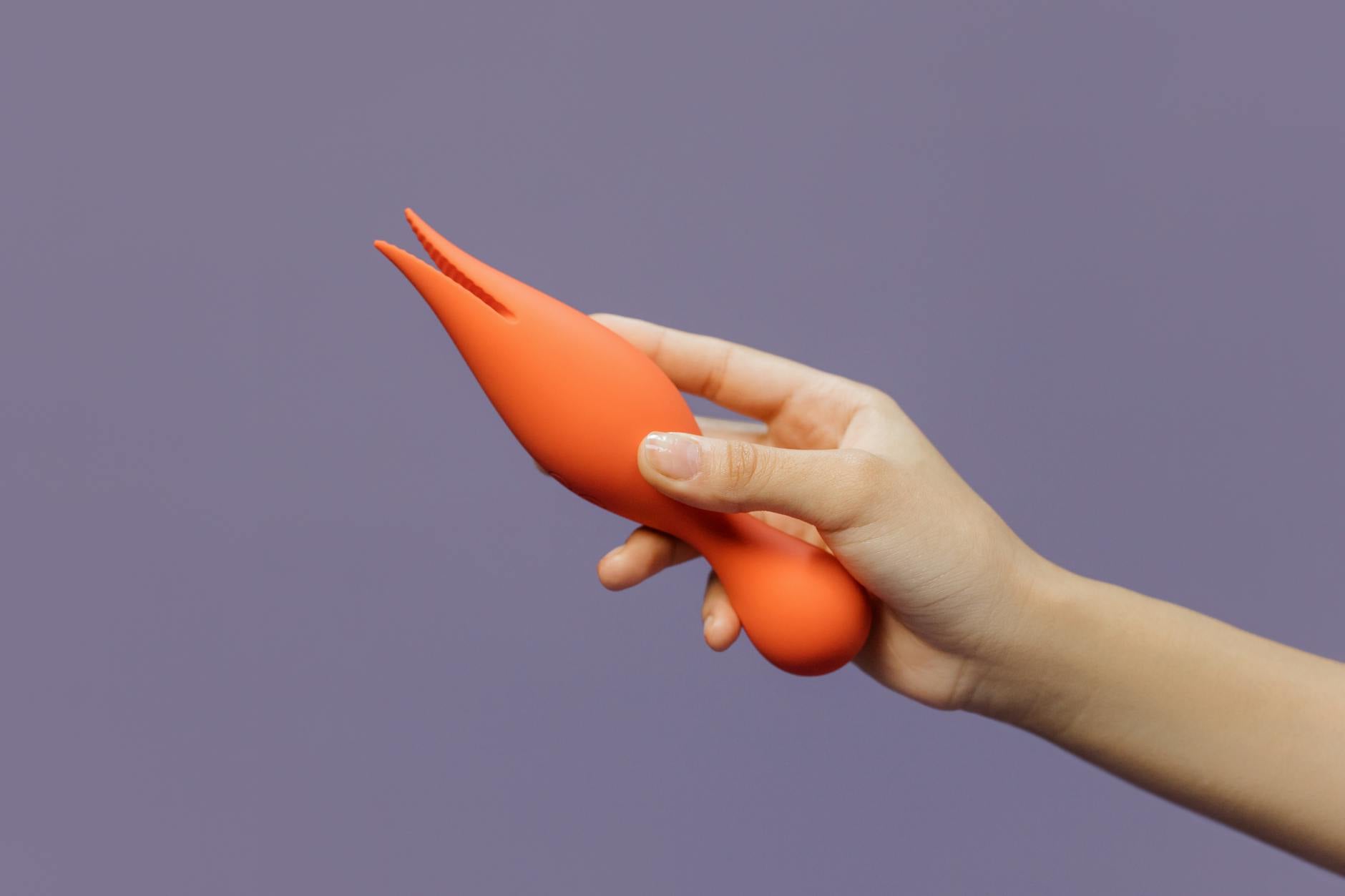
This is where a lemon vibrator can be genuinely helpful. But timing and approach matter more than the device itself.
The recalibration window and what to expect
The first two to four weeks after stopping antidepressants are when most people notice sexual desire returning. Genital sensation can take longer. Some people report that orgasms feel different for months. That's not aberrant. That's the nervous system doing exactly what it should do: waking up gradually.
During this phase, your body might feel hypersensitive to touch. This is especially true if you spent a long time on medication that numbed sensation. You might find that direct clitoral stimulation feels almost overwhelming compared to before. Or you might find the opposite: that sensation feels dull and you need more intense input to feel anything. Both are legitimate responses to nervous system recalibration.
A lemon vibrator's suction mechanism is gentler on newly sensitive tissue than traditional vibrators. Suction stimulates nerve endings without the same mechanical friction, which is why many people report that clitoral vibrators feel more manageable during this recalibration period than they do after years of use.
Starting slowly: your first week back
Don't jump straight into your old pattern or what you think you should want. Your body is learning to feel again.
Here's what I recommend for the first exploration: block 20 minutes when you're genuinely alone and not rushed. This isn't performance. This is information gathering.
Start with touch before the vibrator. Lie down or sit in a comfortable position and simply notice what your vulva feels like when you touch it with your fingers. Does it feel numb? Tingly? Hypersensitive? Tender? Honestly note what you feel without judgment. This baseline matters because it tells you where you're starting from.
Then, if you have a lemon vibrator, turn it on at the lowest setting and hold it near (not on) your clitoris for a few seconds. Feel the vibration without direct contact first. Move closer gradually. Let your body tell you what feels good, not what you think should feel good. Some people take 15 minutes just getting used to the sensation before attempting any kind of stimulation toward orgasm.
If nothing feels amazing on day one, that's fine. You're not broken. You're just waking up.
The intensity question: why less might feel like more
One of the most confusing shifts people experience when desire returns is that their relationship to intensity changes. Many people find they need less intense stimulation during this recalibration phase, not more. Your nervous system is hypersensitive because it's been in a dampened state. Adding intense stimulation too quickly feels jarring rather than pleasurable.
With a lemon clitoral vibrator like the Lem, start at patterns one through three. Don't jump to seven or eight. Give yourself permission to spend entire sessions exploring lower intensities. You're not settling. You're meeting your body where it actually is.
If a particular pattern feels overwhelming, stop. Move to a different pattern or take a break. Your body is learning to communicate with you again, and the communication is telling you what you need.
Partner touch during this phase
If you have a partner, this recalibration period is a good time to have a practical conversation about what's happening in your body. Not a performance conversation. A factual one. "My nervous system is adjusting to not being on medication, and sensation feels different right now. I want to explore this with you, but I need things to slow down." That's the script.
Many partners feel relieved to hear this. They're often worried that your desire returning means you expect them to suddenly match an intensity you haven't felt in years. Clarifying that you're actually asking for more gentleness, not more urgency, often reduces pressure on both sides.
Partner touch during manual foreplay can be grounding during this phase. It's familiar and controllable in a way that new sensation sometimes isn't. Using a lemon vibrator with a partner present is also an option, especially if your partner is helping you explore what feels good. This removes the performance element and makes it collaborative.
When to use the lemon vibrator during your cycle
If you menstruate, your sensitivity changes throughout your cycle, and this becomes even more pronounced as your body is recalibrating from antidepressants. Many people find that the luteal phase (the second half of the cycle) is when sensation feels most responsive. Try using your lemon vibrator during this window first. Your nervous system might teach you that pleasure is easier to access when hormone levels support it.
That doesn't mean you shouldn't explore during other phases. It means that if pleasure feels distant during certain times of the month, you're not doing anything wrong. You're just working with biological reality. Work with it, not against it.
Building a sustainable practice
Don't try to rebuild your entire sexual life in week one. Slow, consistent exploration is how your nervous system recalibrates. Using your lemon vibrator two to three times per week is often more helpful than daily use during this phase. It gives your nervous system time to process and integrate the sensation between sessions.
Keep a simple log if you want: what patterns felt good, what intensity level, how your body responded. This isn't clinical. It's you becoming familiar with your own pleasure again. After four to six weeks of consistent, low-pressure exploration, most people report that sensation feels more integrated and familiar.
When sensation stays muted or feels painful
If after six to eight weeks sensation still feels completely flat, or if you experience pain during touch or vibrator use, check in with a doctor. Sometimes numbness persists longer than expected, and sometimes antidepressants leave behind their own complications that benefit from professional attention. Genitourinary issues, neuropathy, and other post-medication sensations are real and treatable.
If you feel emotionally stuck around pleasure even though sensation is returning, that's also worth exploring with a therapist. Antidepressants often dampen desire partly through chemical means and partly through psychological numbing. As sensation returns, sometimes emotional blocks surface. That's not a sign of failure. That's an invitation to understand yourself better.
FAQ: Your most asked questions
Can I use a lemon vibrator right after stopping antidepressants, or do I need to wait? There's no medical reason to wait, but there's a practical one: your body might not feel ready yet. Give yourself two to three weeks for initial recalibration before exploring vibration. That said, if you're curious earlier, gentle exploration won't hurt anything.
Why does my clitoris feel numb even though my desire is back? Desire lives partly in your brain and partly in your nervous system. Antidepressants often suppress genital sensation while still affecting mood and motivation. As you stop the medication, your brain (desire) wakes up before your nerves do. Patience usually fixes this, but check with a doctor if numbness persists beyond two months.
Is it normal for orgasms to feel different or weaker when I start using a lemon vibrator again? Completely normal. Your nervous system needs time to remember how to build and release arousal. The first orgasms after stopping antidepressants are often different in quality, intensity, or duration. This changes as your nervous system fully recalibrates. Give it time.
Should I use my lemon vibrator with a partner or solo during this phase? Both are fine. Solo use gives you more control over intensity and speed, which many people prefer during recalibration. Partner presence can feel grounding and less performance-oriented. Do what feels safer to you emotionally.
How long does it usually take for sensation to feel fully normal again? For most people, noticeable recalibration happens in four to six weeks. Full integration can take two to three months. Some people report that their pleasure feels even better after a few months than it did before medication. That's not rare.
Can I hurt myself or my tissues by using a lemon vibrator during this sensitive phase? No. Gentle, low-intensity exploration with a lemon clitoral vibrator is one of the safest ways to explore sensation during recalibration. Just listen to your body. If something feels wrong, stop.
What you actually need right now
Your desire came back. That's the hard part. Everything else is just your body remembering how to feel pleasure again, and that's information, not a problem. A lemon vibrator can help you gather that information gently and at your own pace.
Be patient with yourself. Your nervous system has been through something. It deserves time and kindness as it wakes up. If pleasure feels far away right now, that's temporary. Most people find that after a few weeks of consistent, low-pressure exploration, sensation returns more fully than they expected.
If you're struggling with this process or if sensation isn't returning, reach out to a healthcare provider or a therapist who specializes in sexual wellness. How to Use a Lemon Vibrator With Increased Sensitivity After Stopping Antidepressants offers more specific guidance on managing hypersensitivity if that's what you're experiencing.
Your pleasure matters. Your body's recalibration matters. And you deserve to experience this phase of reconnection without pressure or shame. That's exactly what Shop Lemon Vibrators is here to support.
Questions? Get in touch.