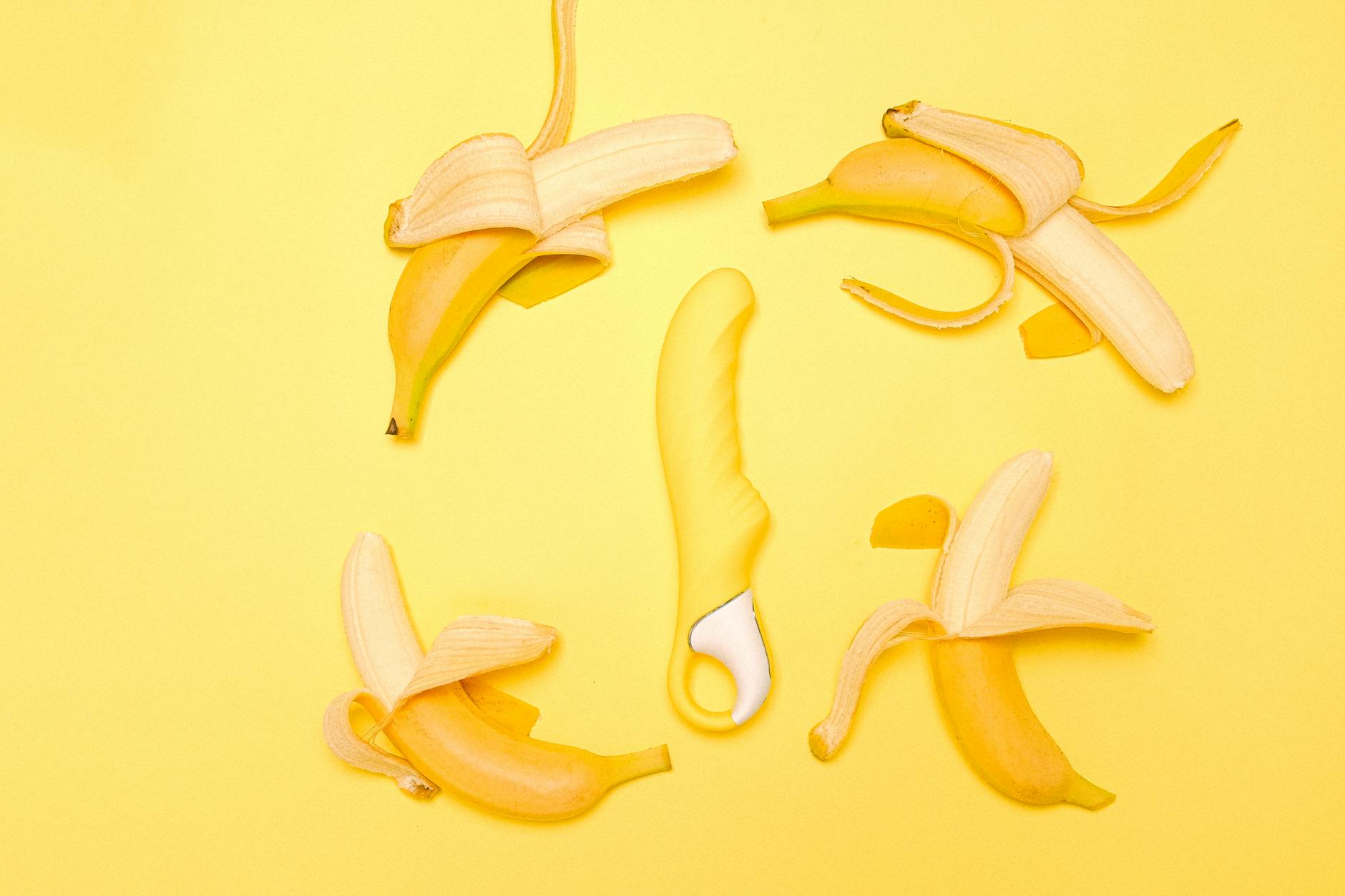
Let's talk about what antidepressants actually do to pleasure
Antidepressants work by raising serotonin, dopamine, or norepinephrine. The upside: your mood stabilizes, anxiety quiets down, you can function. The downside that nobody warns you about clearly enough: sexual sensation often gets quieter too. About 40 to 60 percent of people on SSRIs report some form of sexual side effect. Fewer people talk about what happens when you stop.
When you come off antidepressants, that blunting lifts. Nerves wake up. Your clitoris becomes hypersensitive almost overnight. Many people describe it as overwhelming, too much, almost painful. That's not a sign something is wrong. That's your body remembering how to feel.
Why sensation comes back so fast (and so intense)
Antidepressants dull the signal between your nerves and brain. It's not that your clitoris lost nerve endings. It's that the chemical messengers carrying sensation got interrupted. When you stop the medication, that signal path reopens. The volume cranks up. Often too far, too fast.
Your nervous system needs time to recalibrate. Think of it like someone turning down a stereo for months and then suddenly pushing the volume to maximum. Your ears would hurt. Your pleasure system works the same way.
This hypersensitivity usually peaks in the first two to three weeks after stopping and then gradually settles into a new normal over six to eight weeks. But during those early weeks, direct stimulation can feel almost electric. A lemon clitoral vibrator, used thoughtfully, is perfect for this phase because suction-based stimulation is gentler and more diffuse than vibration.
Starting lower than you think you should
If you used a lemon vibrator or any clitoral vibrator before going on antidepressants, you probably have a baseline intensity you liked. Forget it for now. Throw that out completely.
Start at pattern 1, the lowest setting. If you've never used a lemon vibrator before, this is essential. Place the suction cup on your clitoris loosely, not fully sealed. Let it pulse gently for two to three minutes. Pay attention to your actual sensation, not what you think you should feel.
Many people find that even this gentle suction is surprisingly strong in those first few weeks. Your instinct will be to push up to patterns 2 or 3 to recreate the old pleasure you remember. That's the trap. You're not recreating old pleasure right now. You're building a new tolerance.
Stay at pattern 1 for at least three to five sessions. Your nervous system needs permission to get used to sensation again before you increase it. This sounds slow. It is. It's also the difference between rebuilding trust in your body and getting overwhelmed and shutting down again.
Timing, arousal, and the pacing that matters
Arousal itself changes when you come off antidepressants. You might feel desire much more sharply than before. Or you might feel nothing for a few days and then suddenly intense sensation. Both are normal. The nervous system is still recalibrating.
Give yourself 20 to 30 minutes of gentle warm-up before you use your lemon vibrator. This means breathing, touching yourself without any toy, maybe reading something that turns you on. Your clitoris needs that gradual preparation time more than ever right now.
When you do use your lemon clitoral vibrator, ten to fifteen minutes on the lowest setting is a good target for the first two weeks. You're not chasing orgasm. You're reintroducing pleasure as a sensation your body can safely experience. Orgasm might happen. It might not. Both are fine.
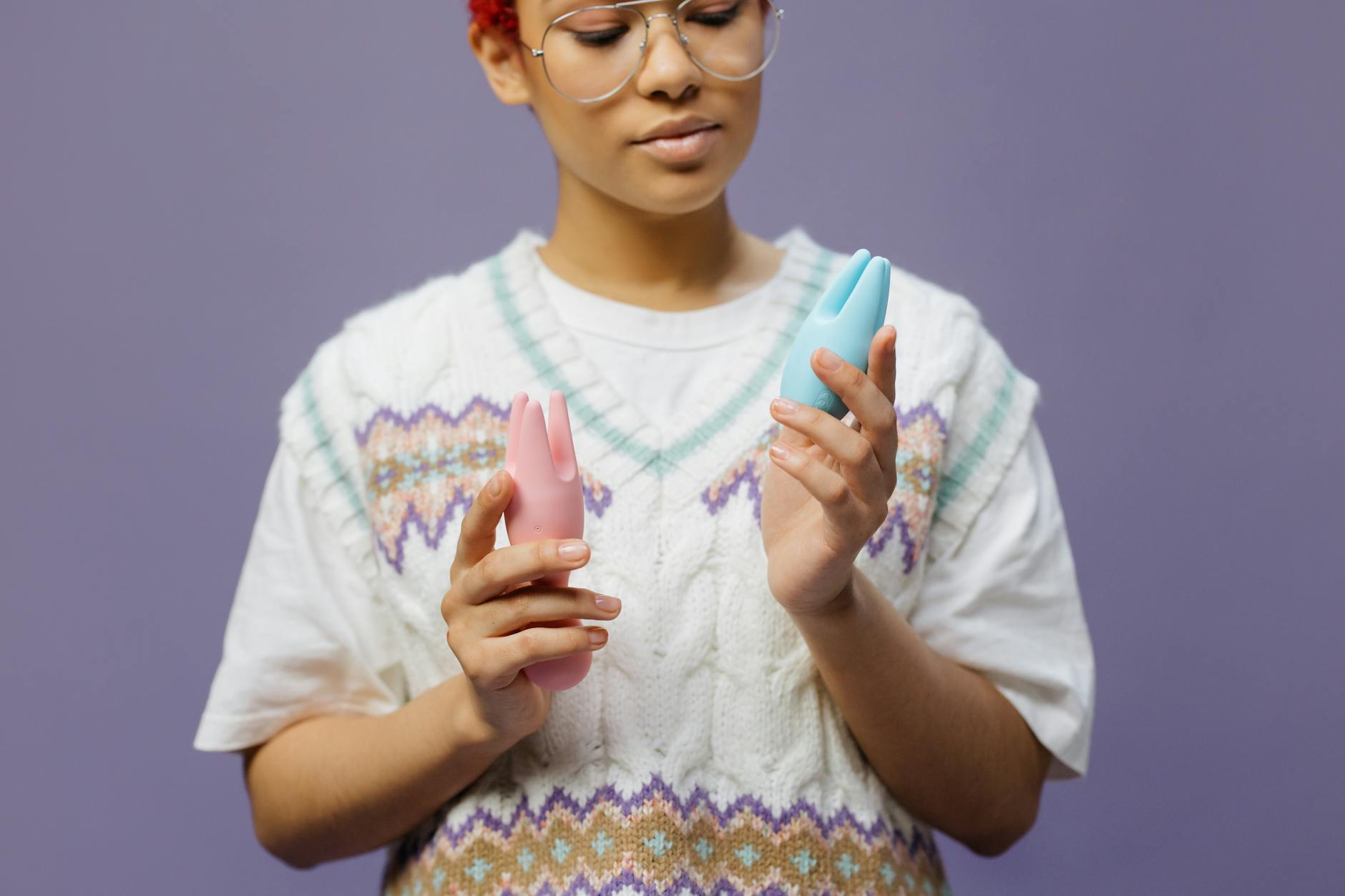
Photo by cottonbro studio on Pexels
What lube actually matters right now
Your body's natural lubrication usually bounces back quickly after stopping antidepressants. But your clitoris isn't lubricated by nature. It's covered by a clitoral hood and a sensitive mucous membrane. When sensation comes back strong, that tissue can feel raw or irritated.
Use a water-based lube around the entire clitoral area before using your lemon vibrator. Not because you're broken. Because heightened sensitivity means heightened risk of micro-tears that you might not notice at first but will feel later.
Reapply lube every five to ten minutes. Your body's arousal lubrication doesn't cover the area a toy needs. This is not intuitive, but it matters.
When sensation is too much. Actually stopping.
Here's what overcstimulation feels like: pain, sharp pressure, almost electrical sensation that doesn't feel good, numbness afterward, or an urge to grab the toy and throw it across the room. If any of that is happening, you went too fast.
Stop using the toy immediately. Take a break for two to three days. Your nervous system needs that pause to settle. Then start again, but drop the intensity even further or use the toy for only five minutes instead of ten.
This isn't weakness. This is listening to your body. Pushing through stimulation that doesn't feel good trains your nervous system to brace and protect itself. That's the opposite of what you're trying to build.
Building back up: when and how to increase intensity
After two to three weeks at pattern 1, if you're consistently feeling pleasure without overwhelm, you can try pattern 2. Not for longer. Just a slightly higher intensity for the same duration.
Stay at pattern 2 for another week or two. Then pattern 3. This sounds glacially slow because it is. But your nervous system learns lasting pleasure from gradual, consistent exposure, not from pushing back to your old baseline as fast as possible.
Most people find that after six to eight weeks of this approach, they settle into a new normal. They can use intensities similar to what they used before the medication. But some people find they actually prefer lower settings now. That's not a loss. That's a change. Pleasure doesn't have to look the same as it did.
Partners and the communication that matters
If you have a partner, tell them what's happening. Not "my sensitivity is back." Tell them: "My nervous system is recalibrating. I'm going to need slower, gentler touch for a few weeks. This isn't about attraction. This is about my body relearning how to receive sensation safely."
If you're using a lemon sexual toy with a partner present, they might want to hold it or be involved. That's fine. But communicate the boundaries. "Lowest setting only right now," or "ten minutes maximum," or "I'll tell you if I need you to stop."
Mismatched expectations are the biggest source of frustration during this phase. Your partner might not realize how sensitive you are. You might not realize that your new sensitivity is temporary. Check in every few minutes. Honest communication transforms this from a frustration into a reconnection.
The emotional piece nobody warns you about
Coming off antidepressants is often emotionally hard. You're adjusting your neurochemistry, which affects mood. You might feel grief that pleasure wasn't available to you for so long. Or relief. Or both simultaneously.
Using a lemon vibrator during this time isn't just about physical sensation. It's also about reclaiming your body as a place where good things can happen. Go slow with that emotional work too. Rebuilding trust in your body takes the same patience as rebuilding pleasure.
If anxiety spikes during sex or toy use, that's also normal during this transition. Your nervous system is learning that increased sensation is safe. That learning happens gradually, not all at once.
FAQ
How long does hypersensitivity last after stopping antidepressants?
Most people experience peak hypersensitivity in the first two to three weeks. It gradually settles over six to eight weeks. Some people notice changes for three to four months. This varies wildly based on which antidepressant you were taking, how long you were on it, and your individual neurology.
Can I use a lemon clitoral vibrator the day I stop taking my antidepressant?
You can, but I wouldn't recommend it. Give yourself at least three to five days for your system to begin adjusting. Then start with the lowest setting at very short sessions. Your body needs a runway.
What if sensation stays overwhelming after eight weeks?
Talk to your doctor. Some people have a harder time recalibrating, and there are strategies that can help. Topical desensitizing products, working with a pelvic floor therapist, or even adjusting the dose you come off at can all make a difference. You're not broken. Your nervous system is just taking longer to find its new baseline.
Should I stop using my lemon vibrator if it feels too intense?
Yes. Pushing through discomfort doesn't build tolerance. It builds anxiety around pleasure. Take a break and restart when you're ready. Your nervous system learns from consistency and patience, not from pushing past discomfort.
Is this hypersensitivity permanent?
No. It's a temporary recalibration phase. After six to twelve weeks, most people find sensation settles into a sustainable baseline that feels good. Some people find they like the increased sensitivity and choose to stay with lower intensities. Neither is wrong.
Can I use other kinds of clitoral vibrators during this time, or should I stick with a lemon sucker?
Suction-based tools like the lemon vibrator are gentler during this phase than traditional vibrators, which apply direct vibration to the clitoris. Suction stimulates through diffuse pressure rather than point contact, which is often easier on hypersensitive tissue. You can use other tools, but start even lower than you think you should.
You're rebuilding, not starting over
Coming off antidepressants and reclaiming pleasure is real work. It's not instantly magical. But it's also not a loss. You're not going backward. You're recalibrating.
Your clitoris still has all the nerve endings it ever had. Your brain still knows how to experience pleasure. You're just teaching your nervous system to receive sensation safely again. A lemon clitoral vibrator, used slowly and thoughtfully, is a tool for that recalibration.
If you're struggling with this transition, that's worth talking through with your therapist or doctor. Pleasure is a valid part of healing. You deserve to rebuild it on your own timeline.
If you'd like to talk through your specific situation or have questions about how to navigate this transition, reach out to us at Shop Lemon Vibrators. We're here to help.