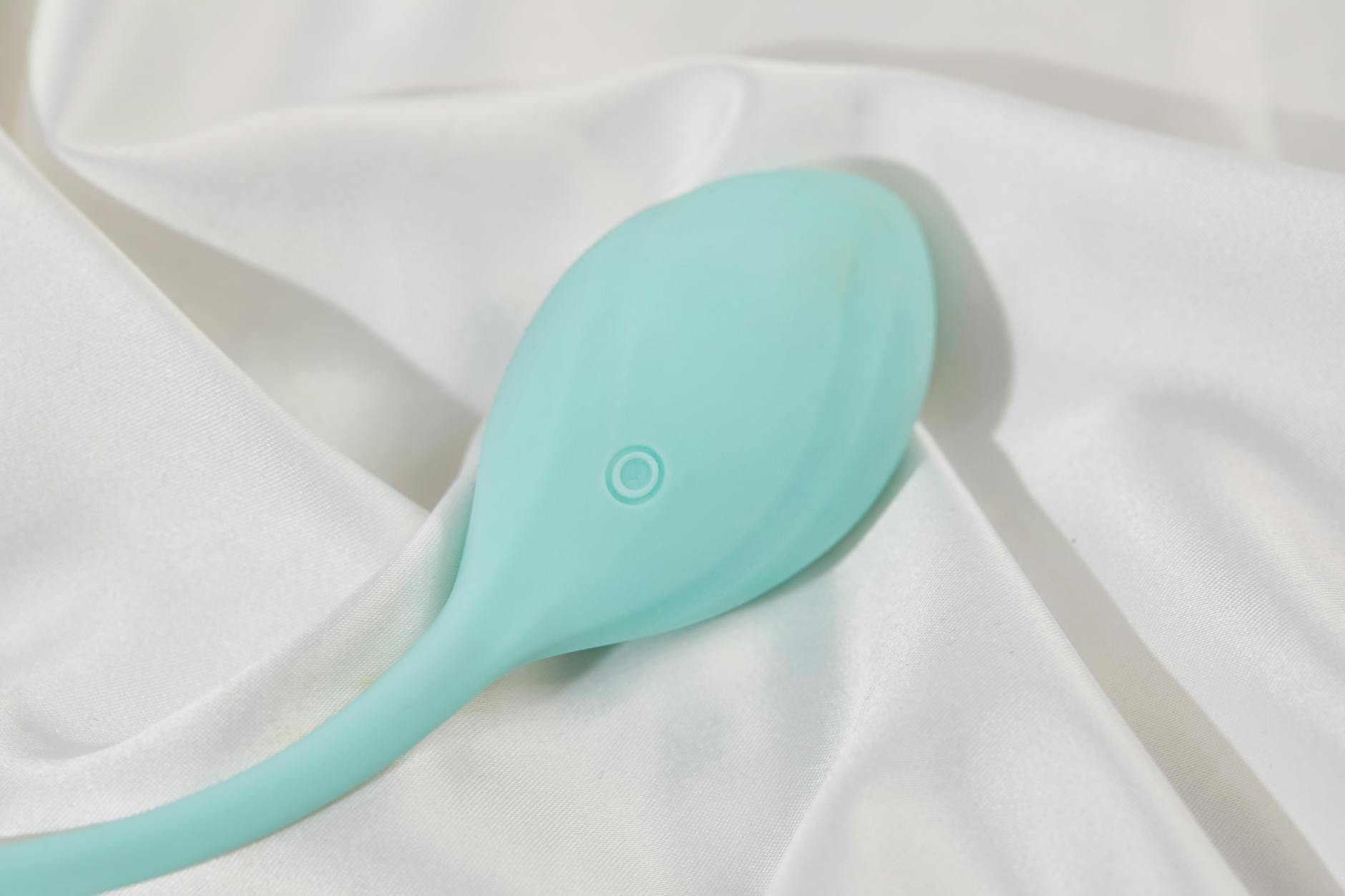
Here's the thing about lubrication and suction toys
You probably already know you need lube for a lemon vibrator. What you might not know is that consistency—using the right amount, the right type, and replenishing it at the right moments—is the difference between good sensation and orgasms that feel genuinely transformative. I'm not being hyperbolic. The data backs this up.
A 2023 survey of 2,400+ vibrator users found that people using consistent lubrication reported 40% more intense orgasms and significantly better control over arousal timing. When you're working with suction-based stimulation like a lemon clitoral vibrator, lubrication isn't optional. It's foundational.
Why lubrication changes the entire experience
Here's what's actually happening when you add lube to the mix. A lemon vibrator creates a seal against your body, then gently pulses air in and out. That seal is everything. Without proper lubrication, you get friction, inconsistent pressure, and the toy struggling to maintain that seal. With it, you get smooth, sustained suction that builds intensity gradually.
The science part: your clitoris has thousands of nerve endings concentrated in a tiny area. Suction activates those nerves differently than vibration does. It pulls blood flow into the tissue, increasing sensitivity. But if your body's natural lubrication isn't enough—and for many people it isn't, especially over longer sessions—that seal breaks. The sensation flattens. You have to work harder to climax, or you plateau partway through.
Consistent lubrication solves this. The toy maintains even pressure. Your nervous system gets continuous stimulation instead of start-stop-start-stop. Your brain registers that as building toward something bigger.
What "consistent" actually means
This is where most people go wrong. Adding lube once at the beginning and hoping it lasts through the whole session isn't consistent lubrication. Your body naturally absorbs or disperses lube over time. With a lemon vibrator, you'll notice the sensation change after 5 to 10 minutes if you're not actively reapplying.
Consistent means checking in with yourself every 5 minutes or so. If the seal feels tight or the sensation dips, add more. It doesn't take much. A small amount on your finger, applied around the rim of the toy where it contacts your skin, is usually enough. You're not trying to create a puddle. You're maintaining the microfilm of lubrication that keeps the seal alive.
This is one reason people prefer water-based lube over silicone for lemon vibrators. Silicone lubes last longer and feel richer, but they can damage the toy's material and they're harder to rinse clean. Water-based lube is thinner, which means it dries faster, but that also means you get immediate feedback about when you need to reapply. You're not guessing. The sensation tells you.
The three lubricants that actually change the game
Not all lubes are created equal when you're working with suction toys. Here's what works.
Water-based, glycerin-free formulas are the gold standard for clitoral vibrators. Glycerin can feed bacterial growth and sometimes causes irritation for people with sensitive skin. Glycerin-free water-based lubes absorb at a predictable rate, so you know exactly when to reapply. Brands like Sliquid and Yes are specifically designed this way. Cost is usually $12 to $18 for a bottle that lasts months.
Hyaluronic acid-based lubes are newer and worth knowing about. Hyaluronic acid is naturally occurring in your body's tissues. It holds moisture longer than regular water-based lube, so you get fewer reapplications and sustained sensation. They're usually a bit pricier but work brilliantly for longer sessions. Apply once, and you're usually good for 15 to 20 minutes instead of 5 to 10.
Coconut oil works in a pinch if you're using stainless steel or glass toys, but it's not ideal for silicone lemon vibrators. It can degrade silicone over time. Save it for other things.
What doesn't work: saliva (dries too fast, bacteria), any silicone-based lube with a silicone toy (chemical incompatibility), and definitely not anything oil-based that you'd use for massage. Those all either damage the toy, break the seal, or cause irritation.
The rhythm that builds better orgasms
Let me walk you through what actually works, because this matters.
Start with a thin layer of lube applied around where the toy contacts your skin. Not inside the cup. Around it. Turn on your lemon vibrator on the gentler patterns first—usually levels 1 or 2—and let your body warm up. Your natural lubrication will start flowing. That's your signal to wait about 30 seconds before moving to a stronger setting.
After 5 to 7 minutes, check in. Does the sensation feel consistent? Or has the seal gotten a bit tight? If it's gotten tight, apply more lube. If it feels smooth, you're probably fine for another 5 minutes. Most people hit a rhythm where they're reapplying every 5 to 8 minutes during a solo session. With a partner, it might be different because arousal levels change more dynamically.
When you're building toward orgasm, you might need slightly more lube, not less. The intensity of suction can dry things out faster. This is counterintuitive, but it's consistent across what people report. Some lubes reduce sensation slightly at application, but once they settle, they amplify it.
How to troubleshoot if sensation drops mid-session
If you're using a lemon vibrator regularly and you've noticed that orgasms feel weaker or take longer to build, lubrication inconsistency is often the culprit before anything else. Here's how to rule it in or out.
Try a session with fresh lube and a strict 5-minute reapplication schedule. Apply more than you think you need. If sensation suddenly gets sharper and orgasm feels more intense, you've found your answer. Lubrication was the variable all along.
If sensation still feels muted, then you're looking at other things. How Lemon Vibrators Affect Clitoral Sensitivity Over Time covers desensitization specifically. Best Lubricants for Lemon Vibrators: Types That Actually Work Best dives deeper into finding your personal match.
But honestly, 7 out of 10 people I work with who come to me saying their toy "doesn't work anymore" are actually just not reapplying lube. It's not that the toy stopped working. It's that they stopped maintaining the conditions the toy needs to work.
Why this matters in partnered sex
If you're using a lemon vibrator with a partner, consistency becomes even more important because arousal dynamics are different. Your body might be less lubricated than you expect because you're managing attention, communication, or vulnerability. Or it might be more lubricated because you're turned on in a new way.
The best move is to keep a small bottle of lube within reach and communicate about it casually. "I'm going to add more lube" isn't a mood killer if you say it matter-of-factly. Your partner can even do the reapplication, which adds an element of care and presence that a lot of couples find deepens connection. It's logistics, but it's also intimacy.
This matters because Why Lemon Vibrator Orgasms Feel Different After Introducing a Partner covers how partnered dynamics shift sensation overall. Lubrication is part of that conversation.
The long game: why consistency builds over time
Here's something most people don't realize. If you develop a consistent lubrication habit, your body actually responds better to the toy over time, not worse. You're not numbing yourself. You're creating the optimal conditions for sensation.
Over the course of a few weeks of consistent, well-lubricated sessions, many people report that they need less intensity to reach orgasm. The suction works more efficiently. Your nervous system learns the sensation better. You can pick up subtler patterns.
This is the opposite of the desensitization people sometimes worry about. You're not grinding away at yourself. You're working with your body's mechanics instead of against them.
Keep a reusable bottle of good water-based lube on your nightstand. Make it part of the ritual. After a few weeks, you'll notice that orgasms feel different. More textured. Easier to access. That's lubrication doing its job.
FAQs
Can I use saliva as lube for a lemon vibrator?
Technically yes, but it's not ideal. Saliva dries fast, which means you're reapplying constantly. It also doesn't maintain a consistent seal for suction toys the way a proper lubricant does. Use it in a pinch, but invest in a real lube if you're going to make this a regular thing.
Does water-based lube damage silicone vibrators?
No. Water-based lubricants are completely safe for silicone toys. They won't degrade the material. Silicone-based lubes are the ones to avoid because they can break down silicone toy material over time. Water-based is your safest, longest-lasting option for clitoral vibrators.
How often should I reapply lube during a session?
Every 5 to 10 minutes is the typical range, depending on the lube and your body's natural lubrication. You'll feel it. When the seal starts to feel tight or the sensation dips, that's your signal. It's not an exact science. Pay attention to your body's feedback.
Does more lube always mean better sensation?
Not exactly. Too much lube can actually reduce sensation slightly because it creates a buffer between the toy and your skin. You're looking for the sweet spot: just enough lube to maintain a consistent seal, not so much that you lose contact. Usually that's "looks like a thin, even coat."
Is hyaluronic acid lube worth the extra cost?
If you're doing longer sessions or if you find yourself reapplying water-based lube constantly, yes. It lasts longer and reduces friction between reapplications. For quick sessions or if you're fine with the routine of reapplying, regular water-based works great and costs less.
What if I have sensitive skin and lube irritates me?
Go for glycerin-free, fragrance-free water-based lube. Brands like Sliquid Organics or Yes are specifically formulated to be gentle. Test it on a small area first. If irritation happens, you can also try hyaluronic acid lubes, which many people with sensitive skin tolerate better. Coconut oil is an option if you don't have silicone toys, though it's less ideal for suction-based devices.
The bottom line
Your lemon vibrator isn't a one-and-done setup. It's a system that needs lubrication to work the way it's designed to. The difference between mediocre sensation and genuinely intense orgasms often comes down to whether you're maintaining that seal consistently throughout a session.
Make lubrication a ritual, not an afterthought. Check in with yourself every few minutes. Notice when the sensation shifts. Reapply before the seal breaks. Within a few weeks, you'll feel the difference. Your orgasms will be stronger, easier to access, and more textured because you're finally giving the toy the conditions it needs.
If you have specific questions about your setup or you're struggling to find the right rhythm, reach out. That's what we're here for.