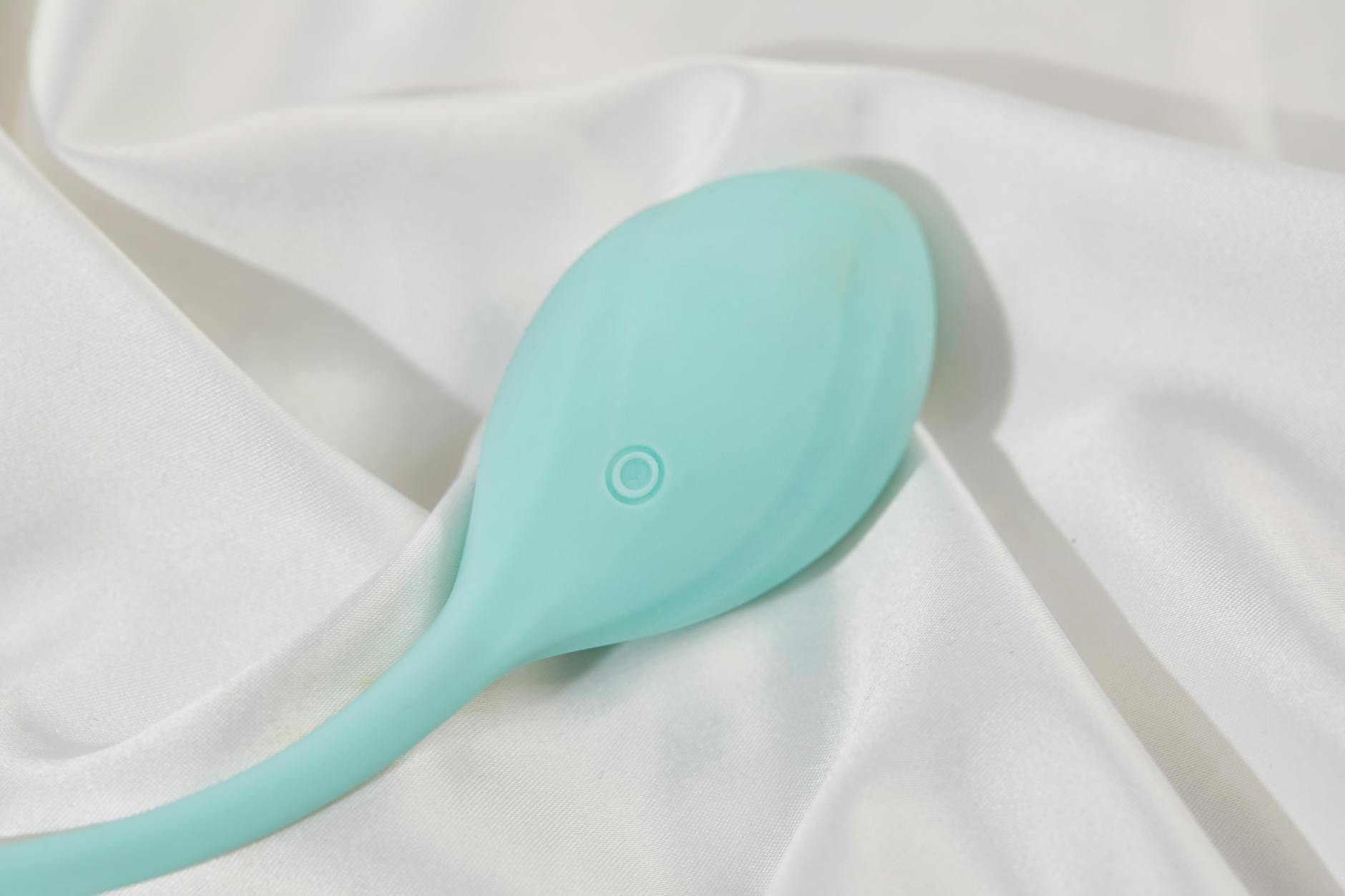
Why Lemon Vibrator Orgasms Feel Different After Perimenopause
Let's be real. Something shifted. Your lemon clitoral vibrator worked brilliantly for years, and suddenly orgasms feel slower to arrive, less intense, or weirdly different in shape. Your toy is fine. What's happening is perimenopause.
Perimenopause is the 5 to 10 year window before your period stops entirely. It's not menopause yet, but your body is already rewriting the script. Hormones fluctuate wildly, not smoothly. Some days feel normal. Others don't. And yes, that absolutely changes how sensation works with a lemon vibrator.
Here's what you need to know about the physiological shifts, why they matter, and how to keep pleasure front and center while your body does its thing.
What perimenopause actually changes in your body
Estrogen doesn't drop in one clean line during perimenopause. It bounces. Some months it's high, others it tanks. Progesterone does the same chaotic dance. This inconsistency is why so many people in perimenopause describe their pleasure as "unpredictable" rather than diminished.
Three specific changes happen to genital tissue during this phase. First, blood flow to the clitoris becomes less consistent. Arousal, which once felt like a steady climb, now feels more like flickering. The tissue also thins slightly, which isn't dangerous but does change how external stimulation registers. Finally, natural lubrication decreases, which affects both comfort and how readily sensation builds.
The critical thing to understand: these changes happen gradually and unevenly. You're not suddenly broken. You're in transition, and transition is inherently a little bit messy.
Why sensation timing changes with a lemon sucker
A lemon clitoral vibrator works through gentle suction, which stimulates nerve endings without the mechanical friction of traditional vibration. During your reproductive years, this registers quickly and intensely because your clitoris has consistent blood supply and tissue thickness.
During perimenopause, that same pattern might take longer to kick in, not because you're numb but because arousal is building from a different baseline. The pathway is still there. The nerves are still firing. The timing is just stretched.
Many people report that their orgasms during perimenopause feel less like a sharp peak and more like a gentler wave. Some find this frustrating. Others, honestly, prefer it. The intensity is real, just shaped differently.
How hormonal fluctuation affects what patterns work best
If you've been using the same pattern on your lemon vibrator for years, perimenopause is a good time to get curious. The pattern that worked for you at 38 might not be your groove at 45.
During high-estrogen weeks, you might find you can tolerate higher intensity and faster sequences. During low-estrogen weeks, you might prefer starting at lower settings and building slowly. Instead of fighting this, lean into it. Treating your lemon sexual toy like a dial to adjust rather than a constant speed actually increases pleasure, not decreases it.
This is also the moment to experiment with longer warm-up time. Add 5 to 10 extra minutes before you introduce the vibrator. Let arousal build through touch, fantasy, or partner connection first. When you bring in the toy, you're working with momentum rather than against resistance.
The lubrication factor you probably haven't optimized yet
If you've always gone lube-free with your lemon vibrator, perimenopause is the inflection point where that changes. It's not because your body is failing. It's because thinner, drier tissue benefits from the extra glide.
Water-based lubricant doesn't just feel slick. It actually helps sensation travel better across tissue that's becoming less hydrated. Apply it directly to your clitoris and to the contact area of your toy. You'll likely find that orgasms arrive faster and feel more complete.
Many people also report that lubrication makes perimenopause orgasms feel less sharp and more full-bodied. That's not a downgrade. That's a different kind of good.
Why your partner might notice changes too
If you're with a partner, perimenopause often shows up in your relationship as much as in your body. You might be less interested in quickies, more interested in longer sessions. You might need different kinds of touch. Your pleasure might depend more heavily on emotional connection than it did before.
This isn't a sign that desire is fading. It's often a sign that desire is becoming more nuanced. The hormone shifts that make your lemon clitoral vibrator feel different are the same shifts that might deepen your need for communication, foreplay, and genuine presence with a partner.
If this resonates, it might help to have an explicit conversation. "My body is changing, and I want us to explore that together" frames the shift as an adventure, not a problem. Partners who show up with curiosity rather than concern often find that perimenopause becomes a turning point in the relationship.
When to check in with a doctor about what you're experiencing
If orgasms used to feel good and now they cause pain or significant discomfort, that's worth mentioning to your GP. Genitourinary syndrome of menopause (which starts during perimenopause) is treatable. Low-dose vaginal estrogen creams or systemic hormone therapy can shift how tissue feels in weeks.
If your arousal has flattened completely and you're not feeling interested in pleasure at all, that's also worth flagging. It could be a hormonal shift, but it could also be depression, stress, or thyroid changes that happen to coincide with perimenopause. A good health conversation catches all of these.
Most changes in sensation during perimenopause are normal and temporary. But "normal" doesn't mean you have to accept discomfort or decreased pleasure. Doctors trained in perimenopause understand this. Don't hesitate to ask for support.
The permission piece nobody talks about
Here's what I notice in my practice. People in perimenopause often feel like they're supposed to push through, keep the same routine, and not make a fuss. Meanwhile, their body is sending very clear signals that something is different.
Your lemon vibrator is still a brilliant tool. But it might work better at a different intensity, with lube, after longer foreplay, or even on a different schedule than before. That's not weakness. That's listening to your body and adjusting accordingly.
You deserve pleasure that feels good right now, not pleasure that felt good five years ago. Perimenopause is an invitation to get radically honest about what works, even if what works looks different than it used to.
Frequently asked questions
How long does it take for orgasms to feel normal again after perimenopause starts?
There's no fixed timeline. Perimenopause lasts 5 to 10 years for most people, and sensation can shift multiple times during that window. What's helpful to know is that sensation doesn't become permanently altered. Many people find their rhythm within a few months of making adjustments like adding lubricant or extending foreplay. Others find their baseline shifts several times as hormones fluctuate. The goal isn't to get back to how things felt before. It's to find what feels genuinely good now.
Can using a lemon vibrator during perimenopause speed up the changes to my body?
No. Your body's hormonal shifts are happening regardless of toy use. Using a clitoral vibrator won't accelerate perimenopause or change its timeline. What might happen is that consistent pleasure and orgasm can help regulate mood and sleep, which can make perimenopause symptoms feel more manageable overall. Pleasure isn't a medical treatment, but it's not neutral either. It matters.
Should I switch from a lemon sucker to a different kind of vibrator during perimenopause?
Not necessarily. Many people find that the gentle suction of a lemon vibrator actually works better during perimenopause because it doesn't require the same sustained intensity as traditional vibration. If you're curious about trying something different, go ahead. But the toy isn't the limiting factor. How you're using it, the lubrication, and your expectations are usually where the shift needs to happen.
Is it normal to need a different intensity setting than I used to?
Completely normal. Your nervous system is responding to different hormonal input. Some weeks you might want to start lower and build. Other weeks you might jump to a higher setting immediately. That variability is perimenopause being perimenopause. It's not a sign that sensation is diminishing. It's a sign that arousal is becoming more dynamic.
Will my orgasms feel better or worse as I move from perimenopause into menopause?
It varies widely. Some people find that their orgasms deepen and become more satisfying once hormones stabilize in menopause. Others report that they miss the complexity of perimenopause once it's over. The research suggests that pleasure doesn't end at menopause. It changes shape. The key is staying curious about what feels good in each phase rather than mourning what's shifting.
What's the best lubricant to use with a lemon vibrator during perimenopause?
Water-based lubricant is your safest bet. It won't damage silicone toys, it washes off easily, and it provides consistent glide. Look for glycerin-free formulas if you're prone to yeast infections, as perimenopause can shift your vaginal microbiome. Apply it generously. More lube usually means better sensation, not worse. Many people in perimenopause find that their pleasure increases simply by using enough lubrication.
The real story: you're not losing pleasure, you're entering a new phase of it
Perimenopause gets a bad reputation because it's associated with symptoms that feel frustrating. Hot flashes. Mood swings. Sleep disruption. Brain fog. Yes, all of that is real.
What often gets lost in that narrative is that perimenopause is also a time when many people discover deeper, more satisfying pleasure than they've ever known. The shift in sensation with your lemon clitoral vibrator isn't a loss. It's an information signal. Your body is telling you what it needs now.
Listen to it. Adjust your approach. Add lubrication. Extend foreplay. Communicate with partners. Stay curious. And keep pleasure as a priority, even as everything else is changing.
Your pleasure matters. It matters in perimenopause, and it will keep mattering as you move through the rest of your life. The vibrator hasn't changed. You're just learning a new version of what works.
If you're navigating relationship shifts alongside perimenopause, consider exploring how lemon vibrators and partner connection can deepen together. How to Use a Lemon Vibrator With Your Partner offers practical communication strategies for this phase. You might also find it useful to understand how other physical changes affect sensation, even though perimenopause works differently than hormonal shifts at other life stages.
For questions about your individual experience or concerns about whether changes you're noticing warrant professional attention, reach out to our care team. We're here to help.