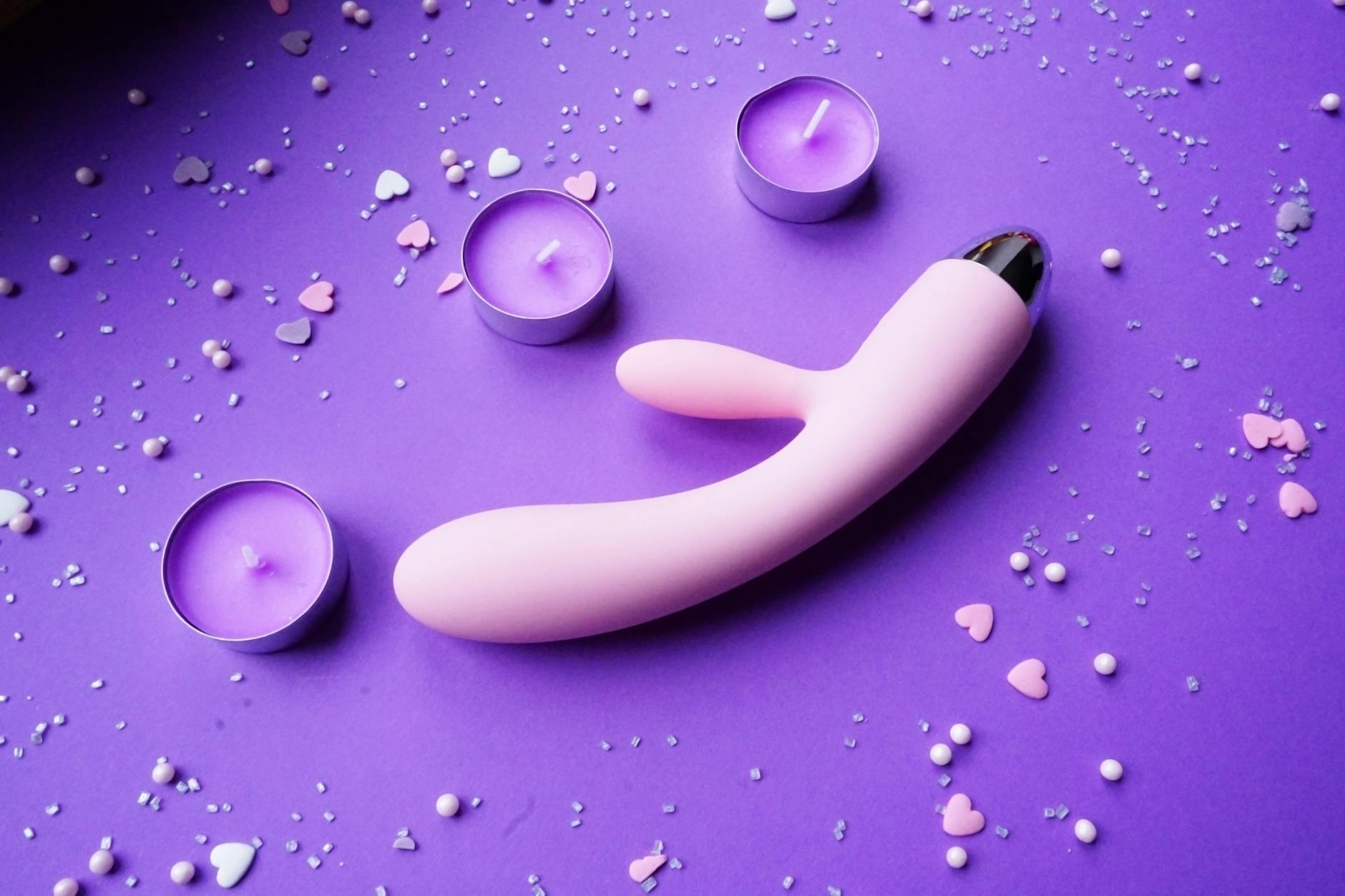
Here's the thing about new relationships and vibrators
Most people wait months, even years, to introduce a toy like a lemon vibrator to a new partner. They worry it'll signal disinterest or inadequacy. They're afraid it'll feel like rejection. So they stay quiet, keep the vibrator in a drawer, and miss something crucial: the chance to build real intimacy from the start.
Let me be direct. Introducing a lemon clitoral vibrator early, with honesty, isn't a risk to your relationship. It's an investment in it.
Why the timing actually matters
There's a window in a new relationship when introducing pleasure tools feels natural, and when it feels like a surprise that should have been mentioned weeks ago. That window is narrow.
In the first 2-4 weeks, you're still learning each other's bodies and preferences. Bringing up a vibrator now sounds like curiosity, like "let's explore together." It's information, not a hidden agenda. Bring it up after three months of partnered sex without mentioning it? Suddenly it reads differently. It reads like something you've wanted the whole time but didn't trust them with.
Timing isn't about rushing. It's about honesty. The sooner you're clear that you own a lemon vibrator and want to use it together, the sooner you can build real comfort around it instead of awkwardness.
How to start the conversation (without making it weird)
Forget the big dramatic moment. This doesn't need wine and candlelight and a speech.
Try this instead: pick a low-pressure moment when you're not already intimate. Not mid-foreplay. Not right after sex when you're both winding down. Try earlier in the day, or the day before you think you might use it together. Something like:
"I want to tell you something before our next time together. I have a vibrator I really like using. I'd love to try it with you at some point, but only if you're interested. No pressure either way."
That's it. You've given him information, you've named the tool, you've said you want to include him, and you've given him an out. Three sentences. Done.
What you're not doing: apologizing. Asking permission. Framing it as a solution to a problem. This isn't "because I have trouble finishing" or "because I need extra help." It's "because I like this and I want to share it." Same device, completely different energy.
What he's probably thinking (and how to address it)
His first thoughts, if he hasn't used a vibrator with a partner before, are often some version of: Does she prefer the toy to me? Am I not enough? Is this a sign something's wrong?
These are normal fears. They're also not your job to fix completely. But you can address them directly.
"I like the sensation it creates. That doesn't mean I like you less. It's a different thing, not a better or worse thing." That's honest. That works.
If he's hesitant, don't oversell it. Don't launch into the science of suction stimulation or how a lemon vibrator works differently than traditional vibration. That defensive move often backfires. Instead, leave space for him to ask questions. "Want to know more about how it works?" or "Any questions?" Often he just needs to know you're not secretly unhappy.
If he's immediately enthusiastic, great. But watch for over-eagerness that feels more about novelty than about you. That's a small yellow flag for later conversations about what he's imagining versus what you actually want.
The first time using it together
Don't start at intensity level 5. Don't hand him the lemon clitoral vibrator and say "go." Don't make it the whole show, like the vibrator is the event and he's just operating it.
Here's what actually works: use it during foreplay, not as the main event. Let him see how you respond to it. Let him touch you while you're using it. The goal isn't for him to watch you orgasm with the vibrator. The goal is for both of you to get curious about sensation together.
If you're comfortable, show him what patterns feel good. Don't narrate it like you're teaching a class. Just "I like this one" while you're exploring together. That gives him real information without the clinical vibe.
Stop before you come, if you can. Come together, or let him bring you the rest of the way without the vibrator. This matters less than I'm making it sound, but it does matter a little. It sends the message: the vibrator is a tool we use, not the thing that gets the job done.
When he has questions or hesitation
Some partners get genuinely curious and want to understand how suction stimulation differs from traditional vibration. Some want to know the mechanics. Some just want to know you're safe and it won't hurt you. All of that is workable.
What's harder to work with is if he wants it gone, or wants you to only use it alone, or makes you feel guilty for having it. That's not a vibrator problem. That's a communication or compatibility problem, and those are worth taking seriously. A partner who can't handle the fact that you have tools for your own pleasure is telling you something about how he thinks about your body and your needs. Listen to that.
For most new partners, the hesitation softens once they've seen it in action and felt how much you enjoy it. They realize it's not a replacement. It's an addition.
Building comfort takes time, and that's fine
Maybe he's enthusiastic but a little awkward the first time. Maybe you're nervous about looking a certain way while using it. Maybe the whole thing feels slightly off until the third or fourth time.
That's normal. Introducing a new element always has a small adjustment period. The couple who makes space for that awkwardness, who laughs a little at the strangeness, who stays curious instead of defensive, those are the ones who end up integrating toys into their sex life naturally. It stops being "that weird thing we tried" and becomes just another way you connect.
The relationship coaches I know who specialize in helping couples deepen intimacy consistently see the same pattern: partners who can talk about what they want, including what toys they want to use, tend to have stronger overall communication. They've practiced vulnerability in a low-stakes way, so higher-stakes conversations feel more doable.
A note on product choice
If you're choosing a lemon vibrator or another clitoral toy specifically to introduce to a new partner, pick one you genuinely love using alone first. You can't sell something with honesty if you're not actually into it. Your enthusiasm will come through. And if the toy feels wrong to you, no amount of communication will make it right.
The Hello Nancy lemon clitoral vibrator, for instance, is designed for that exact use case: people who want something that feels intuitive to introduce because it's genuinely pleasurable on its own. If it's already part of your pleasure routine, bringing it into partnered sex feels like sharing something real, not pitching something new.
The big-picture version
Introducing a lemon vibrator with a new partner is really just introducing yourself. It's saying: here's what I like, here's what I want to explore, and I'm inviting you into that. Partners who can sit with that information without making it weird or defensive tend to be partners capable of deeper intimacy overall. They're less threatened by your pleasure because they're secure in their own. They see your vibrator as part of who you are, not as competition.
That's the foundation of good sex with someone new. It's also the foundation of good relationships, full stop.
People also ask
Is it normal to bring a vibrator into a new relationship?
Completely normal. Many people own vibrators before they meet new partners. The abnormal move is pretending you don't have one and then introducing it three months in. Early honesty about your own pleasure tools is actually a sign of healthy communication.
When's the right time to mention you have a vibrator?
Anytime after you know you're going to be intimate but before you're actively intimate. First or second time together? A little fast, and probably not necessary. But within the first month, before it feels like a secret you've been keeping? That's the sweet spot. You're framing it as information, not as a surprise.
What if my new partner doesn't want me to use a vibrator with him?
That's his boundary, and he gets to have it. But also pay attention to why. Is he uncomfortable with vibrators in general, or is he uncomfortable with your pleasure? Those are different things. A partner who says "I'd like to explore other things first before introducing toys" is different from a partner who says "I don't want you to use that with me, ever." One is about timing. The other is about control.
Should I let him use the vibrator on me, or should I use it on myself?
Try both, eventually. Some people love having a partner operate the vibrator because it frees them to focus on sensation. Others find it too awkward and prefer to control the intensity and positioning themselves. There's no right answer. What matters is that you both feel like it's collaborative, not like someone's watching a show.
Can using a lemon vibrator too early ruin the sex?
No. What ruins sex is shame, pressure, or incompatible desires. A vibrator is just a tool. If the relationship and communication are solid, adding a tool doesn't break anything. If the relationship is fragile, a vibrator will just make existing problems visible sooner.
What if we haven't talked about our sexual preferences at all yet?
Then introducing the vibrator can actually start that conversation, which is a good thing. It's a low-stakes way to say: "We should probably talk about what we like." A vibrator can be the opening line to deeper intimacy conversations, not just the tool itself.
The reset
Your pleasure matters. Your body has preferences. You're allowed to own tools that help you feel good. And if a new partner can't sit with those basic facts about you without making it weird, he's telling you something important about compatibility before you've invested months in him. That's actually a gift.
The right partner will be curious. He'll ask how it works. He might be nervous the first time, but he'll show up. And over time, sharing pleasure with someone who's not threatened by your tools, who actually wants you to feel as good as possible, becomes one of the most intimate things you can do together.
That conversation starts with three sentences and honesty. Everything else follows.