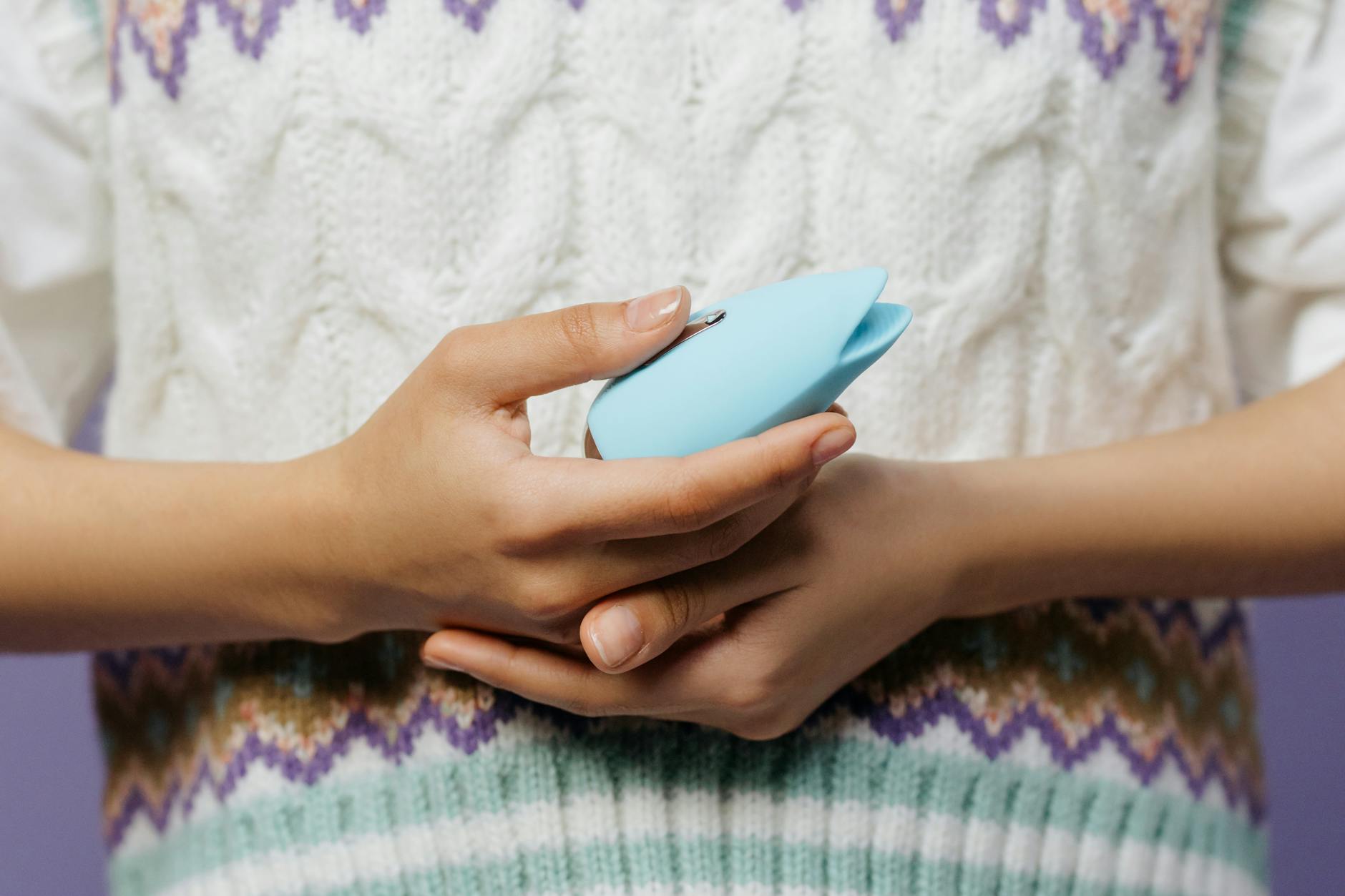
Here's what nobody tells you about HRT and sensation
When you start hormone replacement therapy during menopause, your body doesn't flip a switch. It gradually relearns how to respond to touch, arousal, and stimulation. The lemon vibrators and clitoral vibrators you were using before HRT may suddenly feel too intense, too subtle, or weirdly delayed. This shift isn't a sign something went wrong. It's actually evidence that the therapy is working, and your nervous system is recalibrating.
I work with dozens of people navigating this exact transition each month. The pattern is predictable enough that I can almost time it: weeks two through four on HRT, the first reports come in. "The Lem doesn't feel the same." "I need more warmup time." "My orgasms feel different, but I can't tell if that's good or bad."
Let me walk you through what's actually happening in your body and what to do about it.
The physiology of HRT and pleasure sensation
Hormone replacement therapy restores circulating estrogen and, depending on your prescription, progesterone or testosterone. This has three major effects on pleasure and sensation:
Tissue regeneration. Vaginal and vulvar tissue thickens as estrogen levels rise. This happens gradually over 6-12 weeks. Thicker tissue means different nerve firing patterns. Your clitoris becomes more cushioned, which can make direct suction stimulation from a lemon clitoral vibrator feel either more intense or less precise, depending on your starting point.
Blood flow changes. Estrogen increases vascularity in the pelvic area. More blood flow = faster arousal and faster orgasm in theory. In practice, many people report that their arousal takes longer to initiate, even as the intensity builds faster once it starts. This creates a weird lag time in the first 10-15 minutes.
Nerve signaling shifts. Estrogen affects neurotransmitter production, particularly in the pathways that signal pleasure and orgasm. If you were on a consistent HRT dose before, your nervous system adapted to that hormone level. When you adjust your dose or switch formulations, your brain has to recalibrate which stimulation intensity triggers orgasm.
Why sensation feels muted at first, then hypersensitive
During the initial weeks of HRT, many people report a dead zone. Your lemon vibrator doesn't feel like nothing, but it feels less urgent. You have to work harder to reach arousal. This usually peaks around week 3-4 and then reverses.
The reason: your nervous system is upregulating estrogen receptors in the pleasure pathways. While it does, there's temporary desensitization. It's the same mechanism that makes antidepressants feel less effective at first, or why you need more coffee if you drink it every day. Your body adapts to the new chemical baseline.
After about 6-8 weeks, most people report hypersensitivity in the opposite direction. The same intensity setting on the Lem that felt dull in week 2 now feels intense or even mildly uncomfortable. This is when you'll want to drop down to pattern 1 or 2 instead of your usual pattern 4 or 5.
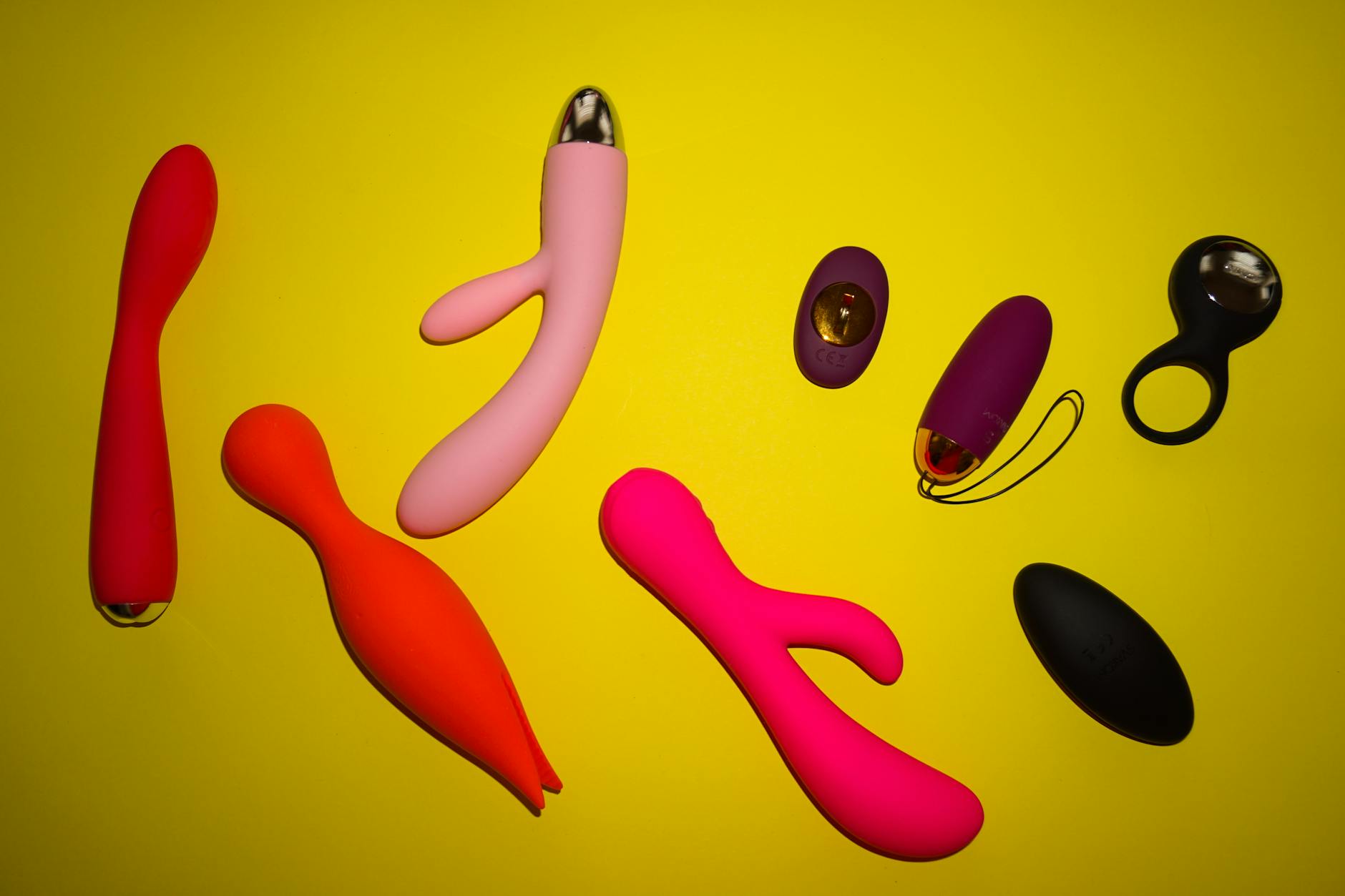
Photo by FounderTips on Pexels
What changes in arousal timing and warm-up
One of the most disorienting shifts is the change in how long warm-up takes. Pre-HRT, you might have reached full arousal in 8-12 minutes of focused stimulation with your lemon vibrator. On HRT, the window often expands to 15-25 minutes. This isn't because you're less capable of arousal. It's because estrogen changes how quickly your parasympathetic nervous system (the "relax and respond" system) kicks in.
Here's the practical fix: extend your foreplay buffer. Instead of jumping straight to your lemon sexual toys, spend 5-10 minutes on non-genital touch. Neck, breasts, inner thighs, or anywhere else that feels good to you. This primes your nervous system so that when you do reach for the Lem, your body is already partway to arousal. You're meeting the device halfway instead of expecting it to pull you from neutral.
Some people also report that orgasm feels harder to reach in the first 10-15 minutes, even as it feels easier once arousal fully builds. This is the lag I mentioned. You haven't lost the ability to orgasm. You're just experiencing a delayed initiation. Budget extra time and let the anticipation build.
Orgasm intensity and texture shift
Most people on HRT report that orgasms feel different in one of three ways:
Stronger but narrower. The peak feels more intense, but it lasts a shorter time. Your pelvic floor contractions become more forceful. This can feel amazing or slightly overwhelming, depending on your preference.
More diffuse. The sensation spreads wider across your pelvis and lower belly. You lose the tight concentrated feeling but gain a sense of deeper, full-body response. Some people describe this as "more satisfying but less dramatic."
Multiple or rolling. After years of single, defined orgasms, some people on HRT experience multiple orgasms or a rolling series of smaller peaks instead of one big one. This is usually a sign that your refractory period (the time between orgasms) has shortened.
There's no "right" texture. But knowing which shift happened to you helps you dial in your lemon vibrator settings. If your orgasms are now more intense but shorter, you might want to experiment with lower intensity settings to extend the plateau. If they're more diffuse, you might actually crave higher intensity to sharpen the sensation.
Adjusting your lemon vibrator technique
Here are the four changes I recommend to almost everyone starting HRT:
Start lower and climb. Begin at pattern 1 or 2 instead of your pre-HRT baseline. Your nervous system is relearning the map. Let it signal what feels good without overstimulating. You can always dial up. You can't un-feel intensity.
Angle matters more now. Thicker tissue changes how pressure distributes across the clitoris. You might find that a slight angle change (tilting the Lem a few degrees) makes a massive difference in how it feels. Experiment with angle before you assume the device itself stopped working.
Increase warm-up but decrease session duration. Yes, spend longer getting aroused. But then wrap up sooner. Extended sessions on HRT sometimes lead to a dull, overworked feeling in the tissues. Quality beats quantity here. 20-25 minutes total beats 45 minutes of "trying harder."
Lubrication becomes strategic. HRT improves natural lubrication over time, but it's inconsistent month to month. On days when you're drier, lube isn't optional. Use a water-based option (lube and lemon sexual toys play well together). This isn't a sign of failure. It's good hygiene.
The emotional recalibration
Here's the part therapists talk about and sex educators often gloss over: sensation shifts can trigger real grief or anxiety. You spent years learning how your body responded to the Lem. You built a mental map of what intensity meant, how long warm-up took, what your orgasm felt like. HRT erases that map and asks you to learn it again from scratch.
That's frustrating. It's also temporary.
Give yourself 8-12 weeks to adjust. That's not a guess. That's how long it takes your nervous system to stabilize on a new hormone dose. If at week 4 you feel like "something's broken," you're not wrong. Something is changing. But broken and changing are not the same thing.
If you have a partner, let them know what's happening. "My body is adjusting to HRT and sensation feels different right now" is wildly different from "something's wrong with my desire." One is a temporary technical shift. The other implies a deeper disconnection. Don't accidentally communicate the second thing when you mean the first.
When to check in with your doctor
Most sensation changes are normal and self-resolve within 8-12 weeks. But some warrant a conversation with your prescribing doctor:
If sensation becomes painful instead of just different. Sharp pain during stimulation isn't normal, even on HRT. Dull achiness sometimes is. Sharpness usually isn't.
If arousal doesn't begin to feel easier by week 8. Some lag is normal. Complete flatness isn't.
If orgasm stops happening entirely after a period where it was working. That's worth checking in about. Sometimes a dose adjustment helps. Sometimes you need to add low-dose testosterone therapy alongside your estrogen replacement.
Your doctor has seen this pattern before. They're not there to judge. They're there to help you get back to pleasure.
Frequently asked questions
How long does it take for sensation to stabilize after starting HRT?
Most people experience the biggest changes in the first 6-8 weeks. By week 12, most sensation patterns have stabilized. That doesn't mean you won't continue to notice subtle improvements over months 4-6. But the major recalibration usually settles by the 8-week mark. If you're still in significant flux at week 10, that's worth mentioning to your prescriber.
Can I use the same lemon vibrator intensity settings as before HRT?
Probably not, at least not immediately. Tissue thickness and nerve signaling changes mean your previous baseline was calibrated to your pre-HRT body. Start 2-3 intensity levels lower than your old baseline and work back up over 2-3 weeks. You'll likely find a new sweet spot somewhere between your old setting and "way lower." This is normal.
Does HRT make it easier or harder to reach orgasm?
Both, in sequence. The first 4-6 weeks are often harder because of the desensitization phase. After that, most people report orgasm is easier to reach and feels more intense. By week 12, average time to orgasm is often shorter than pre-HRT, but it's highly variable. Some people stay in the "longer warm-up" camp. Your baseline matters more than any general rule.
Why does my lemon clitoral vibrator sometimes feel numb and sometimes feel too intense?
Three reasons. First, hormone levels fluctuate daily, especially in the first 12 weeks of HRT. Second, your stress level and sleep directly affect sensation sensitivity. Poor sleep = higher pain threshold and lower pleasure sensation. Third, you might be experiencing the normal progression from desensitization (week 2-4) through recalibration (week 5-10) to stabilization (week 12+). If it's week 3 and you're numb, that's expected. If it's week 15 and you're still unpredictably swinging between numb and intense, that might warrant a dose check.
Should I try a different lemon sexual toy while on HRT, or stick with my current one?
Stick with what you know for the first 8 weeks. The variables are already changing (your body). Don't add device changes on top of that. You won't know if sensation shifts are because of HRT or because of a new toy. After week 8, when your nervous system has stabilized, if you want to experiment, go ahead. You'll have actual baseline data by then.
What if I have a partner and they don't understand why my pleasure response changed?
Invite them to read this. Seriously. Or tell them: "My body is recalibrating to new hormone levels. Sensation feels different for about 8-12 weeks, and then it stabilizes. It's not about you or my attraction. It's about physiology." Most partners respond well to specific timelines and clear explanations. If you need help having that conversation, reaching out for relationship support can make a real difference.
The takeaway
HRT doesn't break your pleasure. It recalibrates it. The Lem, your clitoral vibrator, and your nervous system are learning to work together in a new chemical landscape. Expect 6-8 weeks of adjustment. Start lower on intensity. Give yourself more warm-up time. Be patient with your body. And know that on the other side of this transition, most people report deeper, more resilient pleasure than they had before. You're not losing sensation. You're gaining it back, just in a slightly different shape.