How to Use a Lemon Vibrator With Limited Grip Strength or Arthritis
Let's be real: arthritis and hand weakness are not small inconveniences. They reshape how you move through the world, including how you touch yourself. But "inconvenience" doesn't have to mean "off the table."
I work with clients regularly who manage chronic pain, limited grip strength, or inflammatory conditions. Most assume their pleasure has to pause. What I've found is that simple adjustments to positioning, grip technique, and vibrator choice keep lemon vibrators and other clitoral vibrators completely in reach. You deserve pleasure that fits your body right now, not your body ten years ago.
Why grip strength matters with vibrators
A standard clitoral vibrator like the Lemon weighs about 2 ounces. That sounds light until your hand is already fatigued or your fingers are swollen. Holding something steady against your body while it's vibrating takes stabilizer muscles in your forearm, wrist, and hand. If arthritis or weakness has compromised those stabilizers, two things happen: either you grip too hard to compensate (which causes pain), or you lose control of the vibrator (which breaks the moment and kills arousal).
The good news is that neither outcome is inevitable. The lemon clitoral vibrator design actually works in your favor here because the rounded shape distributes contact across your palm rather than asking you to pinch or grip tightly.
Grip adjustments that take pressure off joints
First, forget the traditional grip. You don't need a tight hold.
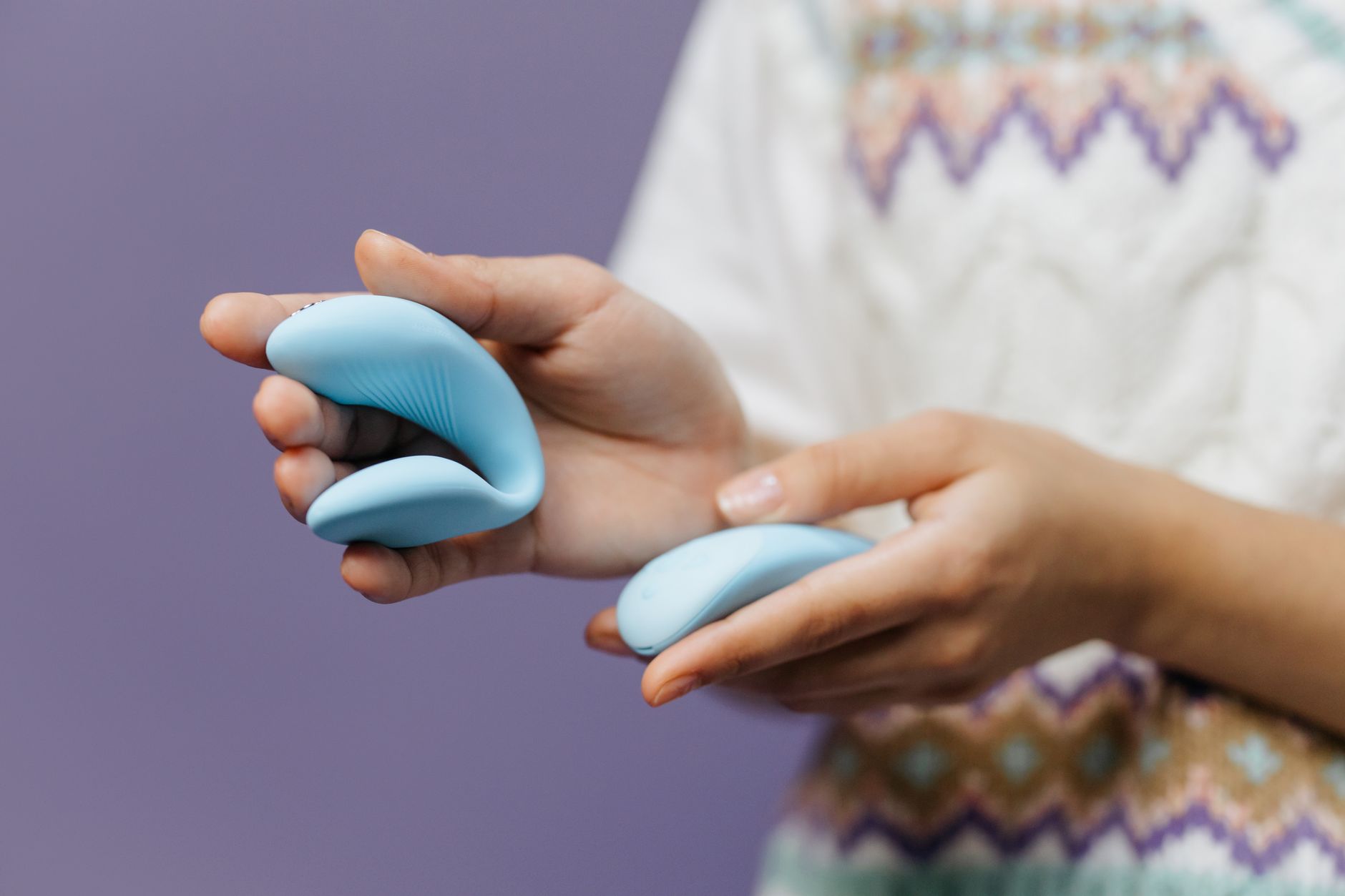
Cradle grip. Nestle the vibrator in the webbing between your thumb and index finger, then rest your fingers loosely over the body. Your hand stays open and relaxed. The vibrator doesn't need squeezing because gravity and light contact do the work. This is especially good if you have weakness in your fingers but more strength in your palm.
Two-hand method. Use both hands to hold the vibrator steady against yourself. One hand supports the weight, the other guides position. This distributes fatigue and gives you backup support if one hand gets tired. You're not overworking any single hand.
Forearm support. Rest your forearm or the side of your hand on a pillow, cushion, or your partner's body. Let external support carry the vibrator's weight instead of your grip. Your hand just needs to position it, not hold it up.
Palm press. Instead of gripping the vibrator's handle, press the entire vibrator against your body using your flat palm and fingers in a relaxed spread. Less precise than pinching, but infinitely easier on arthritic joints. The vibrator does the work; your hand just delivers it.
Positioning strategies that reduce hand fatigue
You don't have to hold the vibrator the whole time.
Hands-free positioning with a pillow. Lie on your back and position a firm pillow under your hips. Place the vibrator against your body and lean into it. Your body weight holds it steady. Your hands stay free or resting. This is game-changing if you have significant grip weakness or active flare-ups. You can add a pillow between your thighs to angle the vibrator if needed.
Partner-assisted. If you're with a partner, they can hold the vibrator while you guide them with your hand on theirs, or simply direct them verbally. This removes the grip demand entirely and often creates its own kind of intimacy. Communication matters here. "A bit lower," "stay there," "lighter contact" gives them feedback and keeps you in control of sensation.
Seated recline. Sit back in a chair or against a headboard and let gravity work. Position the vibrator against yourself and hold it with minimal pressure. The reclined angle and gravity do most of the stabilization.
Thigh grip. Keep your thighs relaxed and gently pressed together over the vibrator. Your leg muscles have more endurance than your hand. The vibrator stays in place through gentle thigh engagement, not hand strength.
Choosing the right lemon vibrator for limited mobility
Not all vibrators are equal when grip strength is an issue.
The Lemon itself is a solid choice because the body is rounded, not tapered, so you have more surface area to contact it with your palm. The button is easy to press without dexterity (hold the toy and use your thumb), and the weight is reasonable. If you need something even lighter or easier to grip, the Berri or compact designs might work better because they're smaller and fit naturally in an open hand.
Avoid vibrators with thin handles or ones that require pinching to stay in place. Avoid anything with complicated button sequences if your fingers don't have the precision. Simple on-off, with easy-to-find patterns, saves you frustration.
Waterproof toys are worth it. They're easier to clean with one hand under warm running water, which matters if gripping a washcloth is already difficult.
When to take breaks and listen to your body
Limited grip strength often comes with a fatigue cost. Pay attention.
If your hand or wrist starts to ache, stop. Pleasure shouldn't require pushing through pain. Set a timer for 15 minutes if you know longer sessions hurt. Take breaks between patterns. Switch hands halfway through if you're using one hand. There's no endurance record to chase here.
If arthritis is actively flaring, you might need to pause pleasure altogether for a day or two. That's not failure. That's listening to your body. When the flare settles, you come back.
Consider applying a warm compress to your hands or wrists before a session. Warmth loosens joints and increases flexibility. Some clients find that a very light massage to their forearms 10 minutes before helps too.
Pain signals you shouldn't ignore
There's a difference between "my hand is tired" and "this is making my arthritis worse."
Sharp pain in joints, intense throbbing afterward, or swelling the next day means you've pushed too hard. Adjust faster next time. Use more support, less grip, shorter sessions, or a different positioning method.
If certain vibrator patterns cause shooting pain or cramping, switch to gentler patterns or turn the intensity down. The Lemon and most Hello Nancy toys have multiple intensity settings for exactly this reason. Start at pattern 1 or 2. You can always turn it up; you can't take back inflammation.
Talking with partners about accessibility
If you're with a partner, tell them explicitly what helps and what hurts.
"I need you to hold this," or "Can I lean against you," or "I'm going to use both hands today because my arthritis is acting up." Not sexy phrasing, maybe. Absolutely necessary. Partners who care want to know how to make this work for you. Leaving them guessing is unfair to both of you.
You might discover that partnered pleasure with limited grip strength is actually easier or more connected. Let that surprise you.
External support tools worth knowing about
You don't have to MacGyver a solution alone.
A small neck pillow or travel pillow can angle a vibrator perfectly if you're positioned right. A body pillow (the long ones) props you up and creates support surfaces for your arms. Some people use a flat cushion under their pelvis to tilt their body and free their hands.
There are also adaptive toy holders designed for folks with grip strength issues. They're not marketed specifically for vibrators, but they work. A quick search for "adaptive grips for arthritis" or "adaptive sex toy holders" brings up options.
If you use a vibrator daily or several times a week, investing in something like a padded toy grip or a simple velcro wrist strap might pay off.
The emotional piece matters too
Arthritic hands often come packaged with frustration, grief, or resentment about your changing body. Those feelings belong in the room when you're thinking about pleasure.
You're not "less than" because you need positioning adjustments. You're not inconvenient. You're adaptive. Your pleasure still counts, full stop. The adjustments are logistics, not limitations.
Sometimes this shift in perspective takes time. That's okay. Part of my work with clients is helping them separate "my body has changed" from "my body is broken." Change and broken are not the same thing. And they're definitely not mutually exclusive with pleasure.
Frequently Asked Questions
Can arthritis make a lemon vibrator feel less intense?
Somewhat, yes. If you're gripping too hard or tense because you're worried about dropping the vibrator, your body isn't fully relaxed. Relaxation is part of pleasure sensation. That's another reason why the positioning methods above help so much. When you don't have to white-knuckle a grip, you relax, and sensation deepens.
What if my hands swell during the day? Should I wait until evening?
Depends on your pattern. Some people find mornings less swollen. Others find that after rest and medication, evening is better. Pay attention to your own rhythms. There's no rule saying pleasure has to happen at a specific time of day. Use a lemon clitoral vibrator when your hands are most cooperative.
Is it okay to take a break from my vibrator if my arthritis flares up?
Yes, absolutely. A few days or even a week without your vibrator won't hurt. Your body is telling you something. Listen. When the flare settles, come back. Consistency is nice, but not at the cost of aggravating your condition.
Can a partner-assisted session reduce hand fatigue?
Completely. If you're comfortable with it, having your partner hold the toy while you focus on sensation removes the grip component entirely. Communication is key, but many people find this more intimate and way easier on their hands.
Does using a lemon vibrator make arthritis worse in the long term?
No, not if you're using proper technique and not pushing through pain. Brief, gentle use with good positioning doesn't aggravate arthritis. Gripping too hard or ignoring pain signals does. The difference is how you approach it.
What if I want solo pleasure but my grip is too weak today?
Use positioning with support. Lie back, prop your hips, or use a pillow to hold the vibrator. Your body weight and gravity do the work. Hands-free pleasure is absolutely possible. It just looks different from the default.
Arthritis and limited grip strength change how you access pleasure, but they don't end it. The people I work with who thrive during these transitions are the ones who get practical, curious, and kind to themselves. Try one positioning method. Notice what eases pain and what keeps sensation alive. Your pleasure deserves that attention. If you're navigating these changes and want to talk through what might work for your specific situation, reach out. I'm here for the questions that don't have easy answers.