Let's start with the honest part
You're nervous about bringing this up. That's normal. But here's what I've seen work in hundreds of couples: the conversation itself is not the risky part. Avoiding it is.
Adding a lemon vibrator to partnered sex doesn't diminish anything. It actually does the opposite. When you can ask for what you want, you get closer.
Why the anxiety usually isn't about the toy
The actual lemon vibrator isn't threatening. What feels risky is the story you're telling yourself about what asking means.
Most of my clients who hesitate are running one of these internal scripts: "If I need this, my partner will feel inadequate." Or "He'll think I'm not satisfied." Or the flip side: "She'll think I'm trying to change her." None of these are true, but they feel true until you say them out loud and someone says back, "Oh, I was worried about something totally different."
The vibrator is just a tool. The conversation is about desire, honesty, and what brings you pleasure. Those are relationship strengths, not weaknesses.
The timing and setting matter more than the words
Don't ambush your partner mid-sex. Don't bring it up during an argument or when either of you is tired, stressed, or distracted.
The setup looks like this: pick a time when you're both relaxed and present. Not in bed yet, not mid-activity. A walk, a car ride, a quiet evening on the couch. Somewhere neutral where there's no pressure to immediately act on the conversation.
Say something like: "I've been thinking about something I want to talk about. It's not urgent or a problem. I just want to explore something together and I want to know how you'd feel about it." That preamble matters because it signals safety. You're not delivering bad news. You're sharing curiosity.
Three ways to actually bring it up
The direct ask. "I've been curious about trying a clitoral vibrator together. I think it could feel really good, and I want to explore that with you. What do you think?"
Simple. Honest. No apologizing, no over-explaining.
The pleasure-first angle. "I read something about how clitoral vibrators can actually deepen sensation. I'm interested in trying one together and seeing if it adds something to what we already do. Would you be open to that?"
This frames it as expansion, not substitution. You're not replacing anything. You're adding.
The curiosity angle. "I've been thinking about what would feel good to me and honestly, I'm curious about trying a lemon vibrator. I know it might feel weird or new at first, but I'd love to do it together. What comes up for you when I say that?"
Then stop. Listen. Don't defend or explain unless they ask.
What your partner might actually be thinking
Women often worry their partner will feel like they're not needed. Men often worry the same thing. This is worth addressing head-on.
You might say: "I'm really into what we do together. This isn't about you not being enough. It's about me exploring what else feels good to me, and I want you there."
Or: "The clitoral vibration is a different kind of sensation. It doesn't replace what you do. I think we could use it together and it might actually be hot."
Many partners, once the shock wears off, are genuinely excited. They want you to feel good. They might have been worried about your pleasure and didn't know how to bring it up themselves. The vibrator gives you both permission to have that conversation.
The first time together, make it simple
Don't overcomplicate the logistics. You don't need a whole scene or a production.
Start during foreplay. Touch each other the way you normally would. When you're both aroused, introduce the lemon vibrator. If you're the one with the clitoris, you might use it on yourself while your partner touches you elsewhere. Or they might hold it while you guide them. Experiment with what feels good.
The first time is rarely perfect. That's fine. You're learning how this fits into your rhythm, what pressure feels right, when in your arousal cycle it works best.
Talk after: "What did that feel like for you?" "Did you like that?" "What would you want to try next time?" Not in an interrogation way. Just curiosity.
If they say no, or seem resistant
Listen to what's actually underneath. Ask why. Is it disgust? Insecurity? Religious or cultural values you didn't know about? A past experience with toys that wasn't good?
Each of those requires a different conversation. If it's insecurity, reassurance helps but might not be enough. They might need time. If it's a values thing, you're navigating something bigger.
Here's what I tell couples in this position: "You don't have to do this together right now. But I do want to explore my pleasure, with or without a partner present. I'd rather do it with you. But I need you to understand that this is about me, not about you."
You're not asking permission. You're offering partnership. There's a difference.
When it becomes part of your routine
After the first few times, it stops being a thing and just becomes another tool you both enjoy.
Some couples use a lemon clitoral vibrator every time they have sex. Some use it occasionally. Some discover that introducing it opened up a conversation about pleasure that changed everything else too. Like, suddenly you're both more comfortable asking for what you want in general.
That's the real win. Not the vibrator itself. The fact that you could ask.

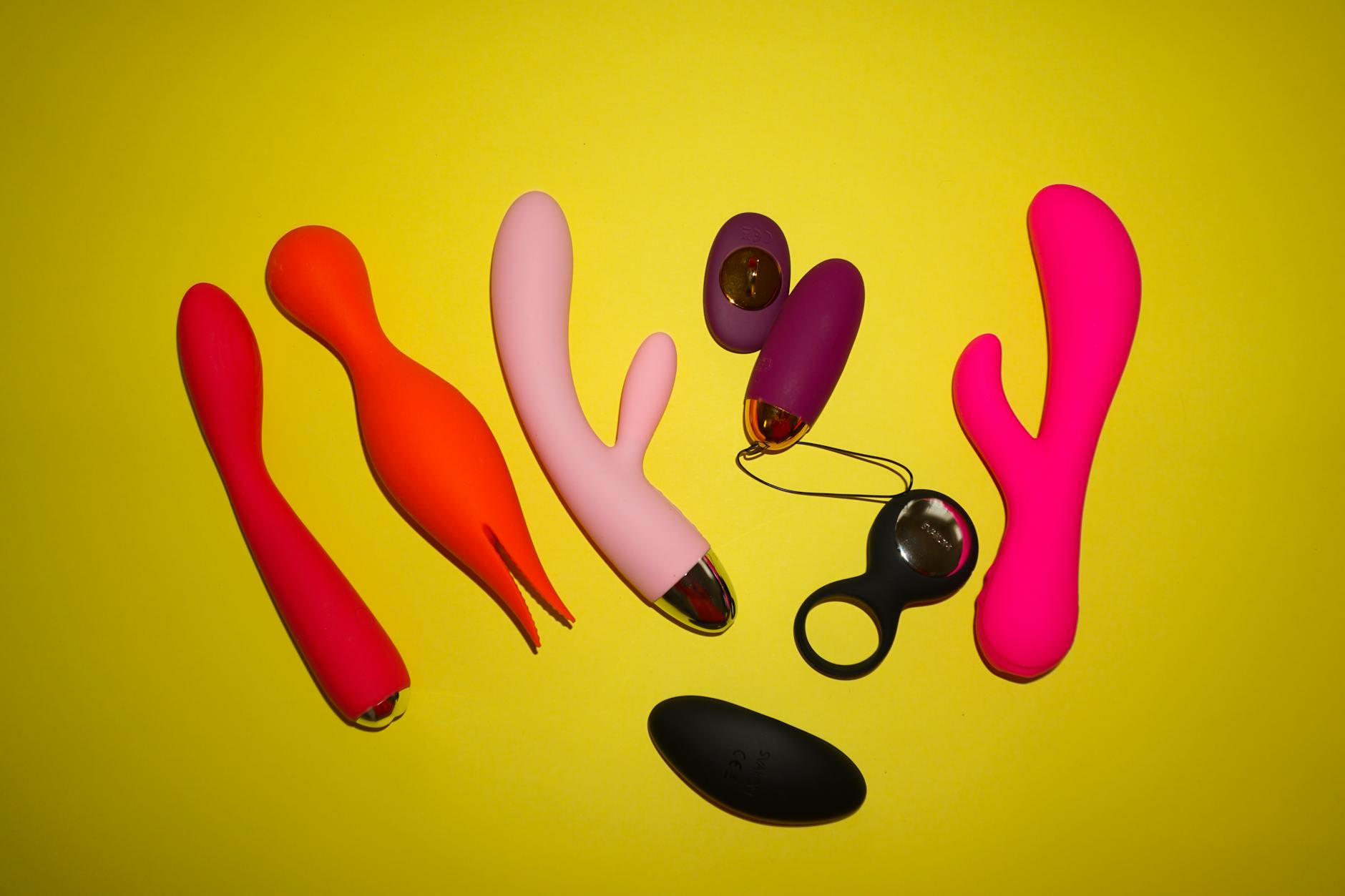
Photo by cottonbro studio on Pexels
Why partners often end up loving this more than you expect
Most of the men and people without clitorises I've worked with say the same thing after their partner introduces a vibrator: "Why didn't we do this sooner?" Because it means their partner is more turned on. The pleasure is visible, audible, felt. That's genuinely hot for most people.
Many also say: "It takes the pressure off me to be the only source of her pleasure." Which is actually a relief. Sex becomes collaborative rather than performative.
If you're the one bringing this up and your partner is hesitant, you might ask directly: "What would make you feel better about this?" Maybe they want to pick the toy together. Maybe they want reassurance about a specific worry. Maybe they need to know this doesn't mean you're unhappy with your sex life.
You can say exactly that: "I'm happy with us. I'm curious about this because I want to feel even better. And I want you to be part of that."
The communication skills that matter most
This isn't actually about vibrators. It's about practicing saying what you want and listening when your partner does the same.
Those skills make everything better. Not just sex.
When you can ask for a clitoral vibrator without shame, you can ask for what you need in the rest of your relationship too. You can say no. You can ask for help. You can admit you're struggling. You can build something real.
The lemon vibrator is just the starting point.
FAQ
What if my partner thinks toys are cheating?
This usually comes from a misunderstanding about what cheating actually is. A toy isn't another person. It's not betrayal. It's a tool for pleasure between two people who've agreed to use it together. You might say: "This isn't about anyone else. It's about us exploring together. How is that cheating?" If they have deep beliefs about this, you'll need to understand where that comes from. But it's worth gently questioning it together.
Should I buy the vibrator before or after the conversation?
After. Absolutely after. Showing up with a toy before you've talked about it signals that you didn't think their opinion mattered. Have the conversation first. Then you might shop together, which is actually kind of fun. Or they might ask you to pick one out. But the conversation comes first.
What if we've been together 10 years and they feel blindsided?
That's real. They might feel like "If you wanted this all along, what else haven't you told me?" Acknowledge that: "I know this might feel new. Honestly, I've been hesitant to bring it up for a while. That's on me. But I want to be more open with you about what I want." Then listen to their feelings. This is a moment to get closer, not to defend yourself.
Is using a vibrator together different from using one alone?
Yes and no. Physically, the sensation is the same. But emotionally, there's something about someone watching you, touching you, being present while you feel pleasure. It's vulnerable in a different way. Most people find that partnered use actually deepens intimacy because they're not hiding their pleasure anymore.
What if I get an orgasm from the vibrator and struggle to come any other way?
First, that's not a problem. Your body likes what it likes. Second, if you're worried about this, talk about it with your partner. Most good relationships aren't built on the assumption that there's only one right way to come. Variety is healthy. And lemon vibrators actually help with sensitivity over time because consistent stimulation strengthens the nerve pathways. You're not making it "harder" for yourself to come other ways. You're just learning what feels good.
Can we use a vibrator if my partner has erectile dysfunction?
Absolutely. In fact, this is one of the best uses for a lemon clitoral vibrator. It removes pressure from your partner to be the sole source of your orgasm, which ironically often helps with ED. You can both focus on pleasure rather than performance. This is actually a conversation worth having with a sex-positive therapist or doctor, but yes. Vibrators help here.
How do I bring it up if we've never really talked about sex openly?
Start smaller. Don't make the vibrator the first vulnerable conversation you've had. Build toward it. Share something else you want first. Ask them something intimate. Create safety in small steps. Then, when you're ready, the vibrator conversation will feel like a natural next step in deepening that openness.
The thing nobody tells you
Most couples who introduce a lemon vibrator together report that it's not just better sex. It's better communication everywhere else too. Because you practiced being honest about what you want without shame.
That skill transfers. You'll ask for what you need in fights. You'll admit when you're scared. You'll be more present with each other.
The vibrator is just the door. What's on the other side is a relationship where you can actually be yourself.
If you're still nervous about the conversation, that's okay. Start anyway. You can also explore our full guide on how to use a lemon vibrator for the first time or check out our pieces on why lemon vibrators work better for sensitive clits and how lemon vibrators change the experience for women over 40. And if you want to reach out with questions, we're here. Visit contact anytime.