Let's talk about the part no one mentions
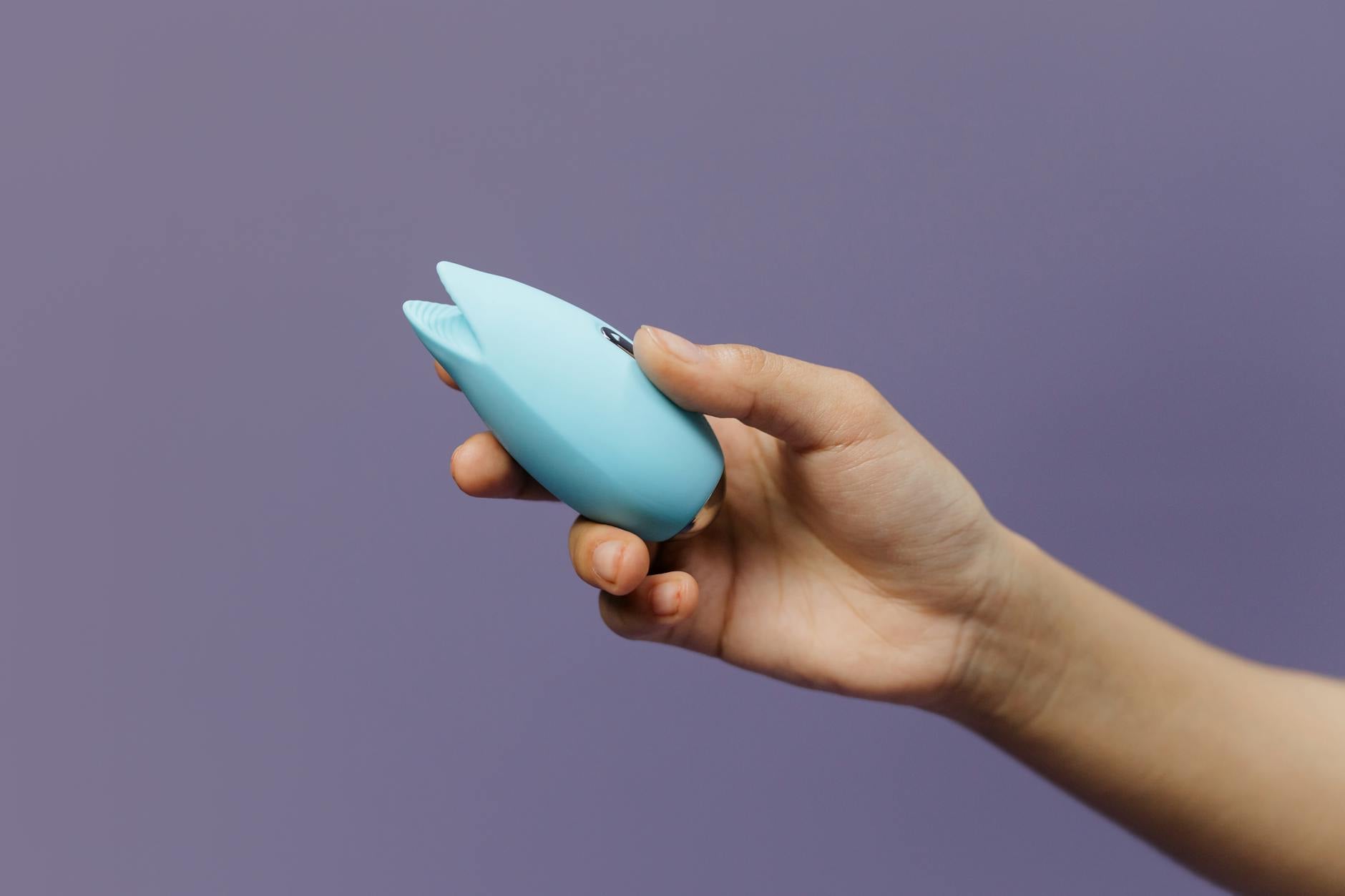
Chronic pelvic pain and pleasure get treated like opposite forces. You're told you have a pain condition, so naturally, anything that might create sensation down there feels off-limits. That logic makes sense on the surface. But pleasure and pain don't have to be mutually exclusive, and for many people with chronic pain, strategic, gentle clitoral stimulation with tools like the Lem vibrator actually reduces pain over time rather than triggering it.
The key difference is approach. This isn't about powering through or ignoring warning signals. It's about understanding your nervous system, pacing, and using devices designed specifically to work with your body's actual capacity right now.
Why chronic pelvic pain changes the equation
Chronic pelvic pain typically involves the pelvic floor muscles, nerve sensitization, or both. Common diagnoses include myofascial pelvic pain, vulvodynia, endometriosis-related pain, or post-surgical adhesions. What they share is this: the area is primed for overactivation. Your nervous system is already in a heightened state of alert.
Here's where it gets interesting. When you engage in gentle, controlled clitoral stimulation, you're actually training your nervous system to process sensation differently. Air-suction devices like those from Shop Lemon Vibrators work particularly well for this because they distribute pressure across a wider surface area rather than concentrating intense vibration on a single point. The suction mechanism stimulates without the shock-like sensation that can trigger pain flare-ups in sensitive tissue.
This isn't spiritual healing language. There's actual neuroscience here. Repeated, safe sensory input can help desensitize the area and improve nervous system tolerance.
Starting with the right baseline
Before you pick up any lemon vibrator or clitoral vibrator, you need to know three things:
First, pain level stability. Are you currently in a flare, or are you in a relatively stable baseline pain period? If you're in active pain today, wait. If your baseline is low to moderate and stable for the past week or so, you have more room to explore.
Second, pelvic floor tension. Many people with chronic pelvic pain are holding tension in the pelvic floor without knowing it. One quick check: can you consciously relax these muscles? Tighten them on a count of three, then fully release. If release feels impossible or very difficult, work with that first before adding stimulation. A pelvic floor physical therapist can help, or try gentle breathing exercises and heat for 5-10 minutes before attempting any device use.
Third, medication and symptom patterns. If you're on pain medication that affects sensation or mood, note that it changes how your body will respond to stimulation. Muscle relaxants can actually make pleasure more accessible. Conversely, if you're on medication that numbs sensation, you'll need longer warm-up time and potentially higher intensity settings.
How to position yourself safely
Position matters more than people think. You're not looking for an acrobatic setup. You're looking for full body support and zero pressure on the painful area.
The ideal position for most people with pelvic pain is reclined with a pillow under your knees. This takes pressure off the lower abdomen and pelvic floor at rest. Some people prefer lying on their side, knees bent. Avoid positions that tilt the pelvis forward or create any internal pressure sensation. Your nervous system should feel completely safe before you add any stimulation.
If you're exploring this with a partner, they should be in a position where they're observing but not pressuring you. You're in charge. You control the pace, intensity, and the moment anything stops feeling okay.
The pacing protocol
Here's the structure I recommend for someone managing chronic pelvic pain:
Session length: 10 to 20 minutes max. Longer sessions increase fatigue and flare-up risk. Shorter, focused time is better.
Warm-up: 5 minutes of external touch only. Before using a lemon vibrator or any clitoral toy, spend five minutes with gentle hand touch on the external area. Light circles, no vibration. You're signaling to your nervous system that this is safe and intentional.
Intensity start: Always begin on the lowest setting. If your device has pattern options, stick with steady vibration rather than pulsing patterns initially. The Lem vibrator offers multiple intensities. Start at level 1 or 2, even if you think that sounds too gentle. You can always increase. You can't take back overstimulation.
Duration: 5 to 10 minutes of device use. Not 30. Not with breaks in between to keep going. One focused session per day maximum.
Tracking: Write down what happened. Did you feel good? Did you experience any flare-up over the next few hours or the next day? This data is your gold standard for understanding your capacity.
When to increase intensity (and when not to)
Many people think they should be working up to higher settings on their lemon clitoral vibrator as quickly as possible. That's backward for pain management. You want to find the "sweet spot" where stimulation feels pleasurable without being intense, and stay there consistently for weeks before moving up.
Increase intensity only if: you've done five or more sessions at the current level without any pain increase, and the sensation has stopped feeling novel or just slightly under-stimulating. Increase by one level only. Repeat the patience cycle.
Do not increase intensity if you're having good-quality pleasure at your current level. This isn't about achievement or progression. It's about sustainability.
Managing flare-ups and knowing when to stop
You'll probably experience a flare-up at some point. That's not failure. It's data. When it happens, pause device use for three to five days and return to baseline pain management. Ice or heat, whatever your body usually responds to. Gentle stretching if that helps you. Then restart, but at an even lower intensity than before.
Know the hard stops: if you feel sharp pain during or immediately after using a lemon vibrator, stop. If pain increases the next day, that was too much. If you develop burning or throbbing that wasn't there before, pause and check in with your pelvic floor physical therapist or gynecologist.
This isn't cautious language. It's the difference between exploration that builds trust with your body and exploration that confirms it's unsafe.
What the research actually says
Studies on sexual function in people with chronic pelvic pain are limited, but what exists is encouraging. A 2019 review in Sexual Medicine Reviews found that sexual activity, including masturbation and device use, was associated with reduced pain symptoms when approach was gradual and self-directed. The key variables were low pressure, consistency, and emotional safety. Sound familiar?
For vulvodynia specifically, desensitization therapy (repeated, graded exposure to sensation) combined with pelvic floor physical therapy shows real improvement in both pain and sexual function. A lemon vibrator isn't a replacement for that therapy, but it's a tool that works alongside it.
When to involve a professional
If you haven't already, find a pelvic floor physical therapist who specializes in pain. Not all PT is created equal. You want someone trained in myofascial release and nervous system work, not just strengthening. They can help you understand your baseline and give you clearance to start exploring device use safely.
If you're on antidepressants or other medications, a quick conversation with your prescriber about sexual function is worth it. They can sometimes adjust timing or dosage to work around numbness or difficulty with arousal. You might also explore with a sex therapist, particularly if you're managing pain alongside relationship stress or trauma.
The partner conversation
If you're in a relationship, this matters. Your partner needs to understand that chronic pain isn't a personal rejection, and exploring your own pleasure with a device isn't either. It's an act of self-advocacy. A <a href="/blog/how-to-use-lemon-vibrator-when-reconnecting-after-emotional-distance">honest conversation about rebuilding intimacy after emotional distance</a> can help both of you reframe what pleasure looks like right now.
Make it clear: you're inviting them into the exploration if they want to be, but you're not requiring participation. Some partners find it helpful to be present in the room while you explore solo. Others prefer space. Both are fine.
Real talk: pleasure is possible
Chronic pain can make you forget that your body is capable of good sensation at all. Using a lemon vibrator or any clitoral vibrator isn't about "getting over" your pain or proving anything. It's about reclaiming a part of yourself that pain can make feel off-limits. It's slow, it's patient, and it's absolutely worth the time investment.
People also ask
Can I use a lemon vibrator if I have endometriosis?
Yes, but timing matters. If you're in a high-pain period of your cycle, wait. If your baseline is stable and pain-free or low, gentle clitoral stimulation is typically safe. The key is external pressure only, not internal penetration, which can aggravate implants. Start with low intensity and track your response for 48 hours afterward.
Will using a vibrator make my chronic pelvic pain worse?
Not if you start slowly and listen to your body. Rapid escalation in intensity, long sessions, or pushing through sharp pain can trigger flare-ups. The protocol described here is designed specifically to avoid that. If you do experience increased pain, that's signal to dial back, not reason to give up entirely.
How long does it take to see improvement in pain when using a clitoral vibrator?
Some people notice reduced pain sensitivity within two to four weeks of consistent, gentle use. Others take longer. Your nervous system isn't on a marketing timeline. Consistency matters more than speed. Journal your pain levels weekly to see real patterns.
Is a lemon vibrator better than other devices for pain management?
Air-suction clitoral vibrators like those from Shop Lemon Vibrators distribute pressure differently than traditional vibrators, which can feel gentler on sensitive tissue. But the best device is the one that feels safe and enjoyable to you specifically. Some people prefer wand vibrators. Others prefer smaller, more controlled toys. Start with one and notice.
What if my pain is triggered by touch altogether?
If any genital touch causes sharp pain, you're likely dealing with tactile allodynia or vulvodynia. Before using any device, work with a pelvic floor PT on desensitization techniques. That might mean starting with hand touch only for weeks before adding any device. Device use is the third or fourth step, not the first.
Should I use lubricant with my lemon vibrator if I have pelvic pain?
Always. Pain conditions often involve tissue that's already irritated or thin. A water-based lubricant provides a buffer between the device and your tissue, reducing friction and the sensation of pressure. It also signals to your nervous system that this is planned, consensual exploration, not accidental contact. That matters psychologically.
Moving forward
Chronicpelvic pain is isolating partly because pleasure becomes scary. You're retraining yourself to believe your body can feel good and that exploring sensation is an act of care, not recklessness. Start slow. Stay consistent. Trust the data your body gives you. And if you need support navigating the emotional layers of pain, reconnection, or identity, that's what we're here for. Reach out at <a href="/contact">Shop Lemon Vibrators</a> to talk through your specific situation.