Let's talk about what stress actually does to your body
When you're under sustained pressure, your nervous system shifts into protection mode. This isn't weakness or dysfunction. This is your biology doing exactly what it's designed to do: prioritizing survival over pleasure. One of the first casualties is touch. Suddenly your partner's hand on your shoulder feels like an electrical shock. A hug that normally feels grounding now feels suffocating. This is touch aversion, and it's wildly common during high-stress periods.
The temptation is to push through it. To fake relaxation, accept the touch you don't want, and tell yourself you'll feel better tomorrow. That strategy backfires. Forced touch during aversion actually deepens the nervous system's alarm response. What you need instead is a way to access pleasure that doesn't require tolerating someone else's hands on your body.
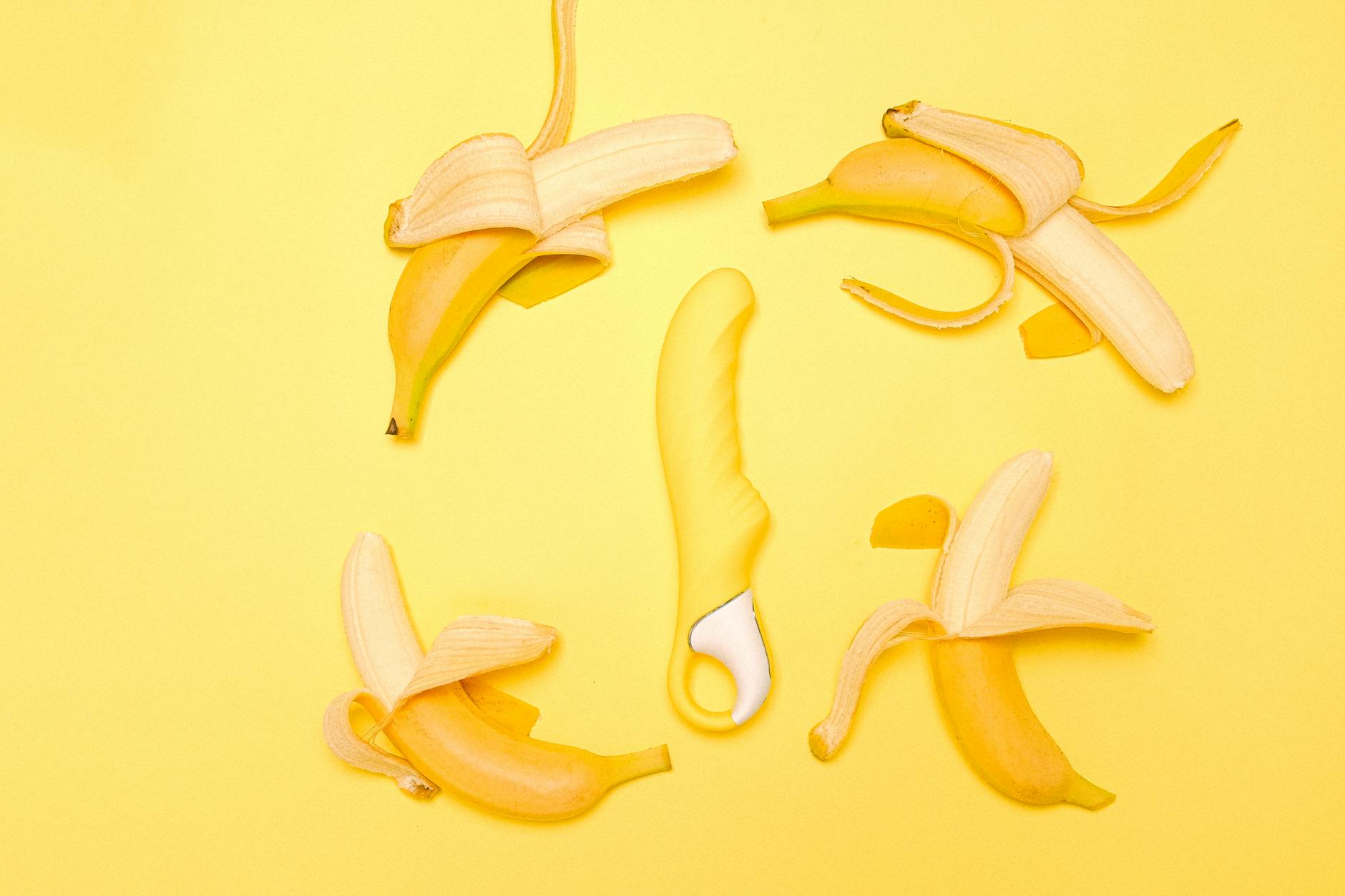
That's where a lemon clitoral vibrator enters the picture.
Why your nervous system rejects touch under stress
Your vagus nerve controls the cascade. When cortisol and adrenaline spike from prolonged stress, your vagus nerve tightens. This is the brake pedal on your parasympathetic nervous system. Suddenly, unpredictable sensations feel dangerous. A partner's touch becomes unpredictable because you can't control its intensity, timing, or pressure. Your body interprets this as a threat.
Here's the shift: you can control a vibrator. You control the exact pressure, the exact pattern, the exact moment you want it to stop. This sense of control is neurologically soothing. It tells your nervous system you're safe. When your nervous system feels safe, your body can gradually relax back into receptivity.
This isn't about replacing partner touch permanently. It's about rebuilding your capacity for pleasure while your nervous system recalibrates.
The case for suction over traditional vibration
When touch aversion is high, traditional vibrators sometimes feel like too much input. The buzzing sensation can feel overstimulating if your nervous system is already in overdrive. This is where lemon vibrators and the suction mechanism shine. Instead of vibrational frequency, suction uses gentle pressure to stimulate the clitoris from underneath. The sensation is focused, controlled, and predictable.
Most people with high touch aversion report that suction feels less chaotic than vibration. It has a clear beginning, a clear middle, a clear end. Your nervous system can anticipate the sensation rather than being startled by it repeatedly.
How to rebuild arousal when you're in protection mode
Four phases, structured around what your nervous system can handle right now.
Phase One: Solo reclamation (without a partner present). You need this first. When someone else is in the room, even silently, part of your nervous system stays on watch. The first time back to pleasure should be completely alone. Set 20 minutes, no interruptions, no phone. Start at the lowest setting on your lemon vibrator. The goal is not orgasm. The goal is to re-familiarize your body with the sensation of choosing pleasure.
Phase Two: Building tolerance. Over 3-5 days, gradually increase time and intensity. You'll notice your body starts to anticipate pleasure rather than defend against it. This shift happens slowly. Don't rush it.
Phase Three: Co-presence without contact. Your partner is in the room, but not touching you. They're reading, or there quietly. This builds your capacity to experience pleasure while another person exists nearby without your nervous system going into overdrive.
Phase Four: Integration with touch. Only after Phases One through Three do you reintroduce partner touch. Even then, keep it gentle. The lemon vibrator might stay in the picture alongside touch rather than being replaced by it.
Communicating this with a partner
Many people feel shame around touch aversion. They worry their partner will interpret it as rejection. It's not. It's a temporary nervous system response to stress. Your partner needs to understand this distinction.
Here's a useful conversation starter: "When I'm stressed, my body goes into protection mode and touch starts to feel like an attack. It's not about you. It's about my nervous system being in overdrive. I need some time with solo pleasure to reset. Then I can come back to us."
Good partners recognize this as honesty, not rejection. And honestly, if your partner understands what touch aversion is, they often feel relief that you've found a way to address it rather than pretending it doesn't exist.
Physical setup that supports nervous system regulation
Your environment matters as much as the lemon vibrator itself. You want conditions that tell your nervous system you're safe.
Dim lighting. Bright overhead lights trigger alertness. Warm dimmed light signals rest. Temperature matters too. A slightly cool room with a soft blanket is ideal. Warmth without feeling trapped. Some people add a grounding element like a weighted eye pillow or hand on their own chest. You're literally soothing yourself through touch you control.
Sound is critical. Silence can actually amp up anxiety because your nervous system has nothing to focus on except internal alarm signals. Try a white noise app or lo-fi ambient music at very low volume. The point is gentle background input that gives your nervous system something to tune out, which paradoxically makes it easier to relax.
When to expand back to partner involvement
You'll know you're ready when pleasure stops feeling like a project and starts feeling automatic again. This usually takes 2-4 weeks depending on stress levels. The lemon vibrator might stay part of your solo routine, or you and your partner might use it together. Some couples find that the vibrator takes pressure off the partner during stressful seasons. Your partner doesn't have to be the sole source of pleasure. That's relieving for both of you.
One note: some people discover they actually prefer the precision and control of a lemon clitoral vibrator even after stress levels normalize. That's valid. You're not supposed to graduate away from what works. You're supposed to expand your options.
Why this matters beyond the moment
Stress aversion to touch is telling you something real about your nervous system's capacity. Addressing it now, with tools like a lemon vibrator, builds resilience for future stress. You're essentially proving to your body that pleasure is still possible even when things feel overwhelming. That's a powerful recalibration.
Over time, your nervous system learns that stress doesn't have to mean disconnection. It means adapting how you access connection. That distinction changes everything.
People also ask
How long does touch aversion last during stress?
That depends on when your stress resolves and how you address the aversion in the meantime. Ignoring it or forcing touch can extend it weeks or months. Actively rebuilding pleasure through solo tools like a lemon vibrator typically shortens it to 2-4 weeks. Once stress decreases, most people gradually regain capacity for partner touch without effort.
Can I use my lemon vibrator with a partner even if I have touch aversion?
Yes, but timing matters. If touch aversion is acute, solo exploration first is better. Once you've rebuilt your own comfort with pleasure, adding a partner is natural. Some couples use the vibrator together while maintaining distance, which can be a helpful middle ground during high-stress periods.
Is touch aversion during stress the same as never wanting touch?
No. Touch aversion from acute stress is temporary and responsive to nervous system regulation. Persistent aversion to touch across all contexts might indicate something deeper like trauma or sensory processing differences, which deserve specialist support. Stress-related aversion usually resolves as stress resolves.
Should I tell my partner about using a vibrator during stress?
That depends on your relationship agreements. If you share a bed or are in a committed partnership, honesty is usually cleaner than secrecy. A simple frame: "When stress is high, my body needs solo time to reconnect with pleasure. I'm using a lemon vibrator during this period. It's not about you. It helps me reset." Most partners appreciate the transparency.
Can stress aversion to touch happen with just one partner or multiple partners?
Stress doesn't discriminate. Touch aversion during high-stress periods can happen regardless of whether you're with one partner or multiple. The nervous system response is about your overall stress load, not about the specific person touching you.
What if stress never fully goes away?
Many of us live with chronic moderate stress. In those cases, pleasure tools like lemon vibrators become ongoing parts of your toolkit rather than temporary solutions. You're not waiting for perfect calm to return. You're building a sustainable way to access pleasure within your real life.
Take the pressure off perfect. Your nervous system doesn't need you to be stress-free. It needs you to be resourced enough to reclaim small moments of genuine pleasure, even when everything else feels hard. That's where a lemon vibrator actually does its best work.
When to reach out
If touch aversion persists beyond 6-8 weeks after stress decreases, or if it's preventing you from wanting any physical connection whatsoever, contact us. Sometimes what feels like stress aversion is pointing to something worth exploring with a therapist. That's not failure. That's listening to what your body is telling you.