Let's talk about what nobody warns you about
Long illness changes your body's relationship with pleasure. Not because you're broken. Because your nervous system has been in survival mode, your attention has been fractured across pain or fatigue, and the mental and physical architecture of desire gets temporarily rewired. When you're ready to reconnect sexually, your body may not respond the way it used to. That's actually important information, and it's completely normal.
Most advice about returning to sex after illness is either "take it slow" (vague and unhelpful) or "everything's fine, your body didn't change" (dishonest). Here's what actually happens, and what I've learned helps couples navigate it.
Why your body feels different right now
Three things happened while you were unwell:
First, your nervous system recalibrated. Illness triggers the parasympathetic nervous system (your rest-and-digest mode). Sexual arousal lives in the sympathetic nervous system (fight-or-flight, but the good kind). Your brain learned to stay calm, conserve energy, and ignore signals that might demand more from your body. Flipping that switch back on takes time.
Second, your attention fractured. Pleasure requires a kind of presence that illness doesn't allow. You were tracking symptoms, managing medications, navigating pain or nausea or brain fog. Your body learned not to expect pleasure. Retraining that expectation is slower than it sounds.
Third, your physical sensation may have actually changed. Some illnesses affect nerve function directly. Others affect circulation. Some treatments numb sensation or make tissue more sensitive. Your clitoris isn't different structurally, but the threshold for arousal might be higher, or the sensation might feel sharper or duller than it did before.
None of this means you can't have satisfying, intense sexual experiences again. It means the path back isn't linear. And that's where design matters.
Why a lemon vibrator works differently for post-illness bodies
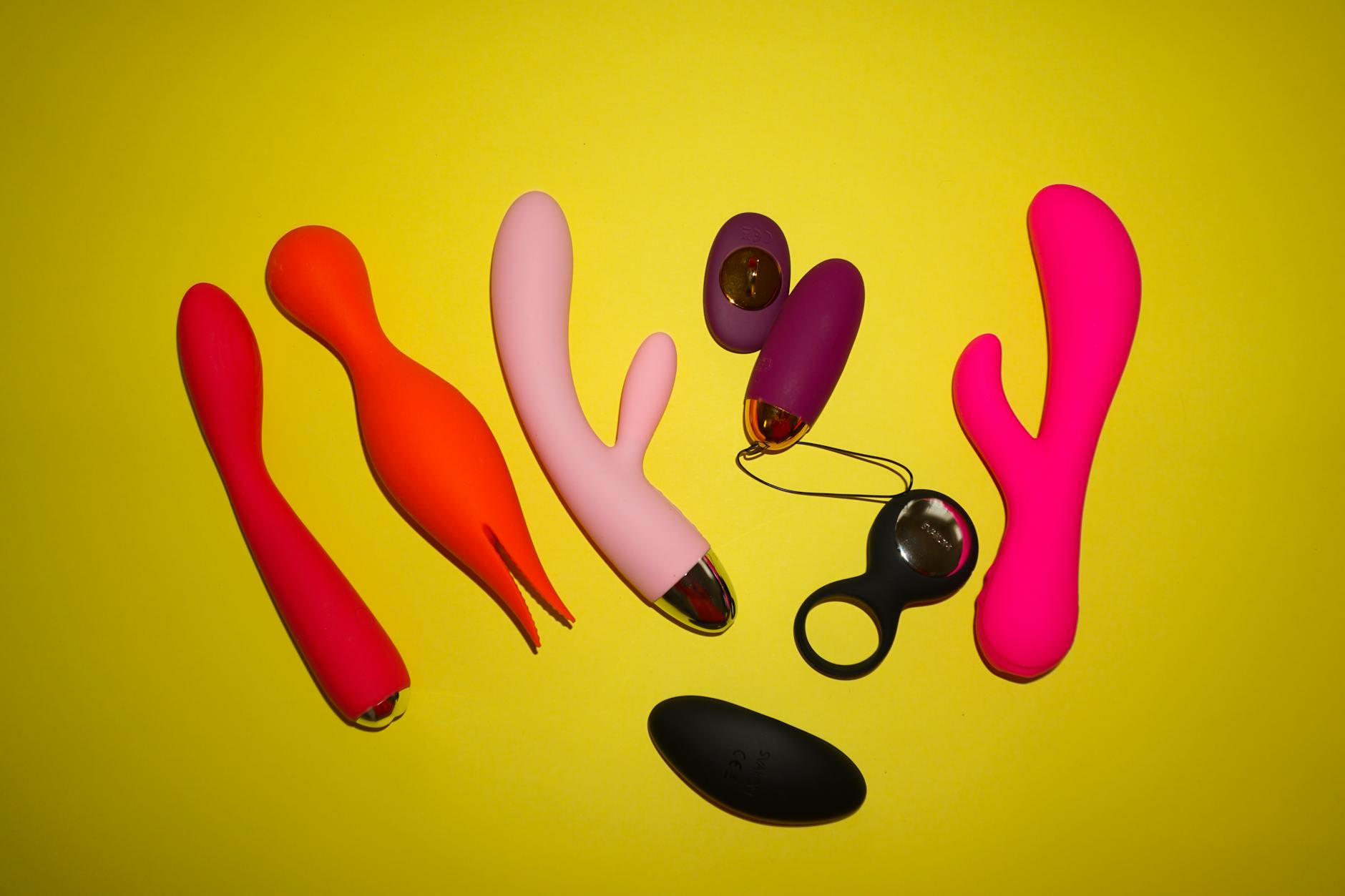
A clitoral vibrator like the Lem from Shop Lemon Vibrators works through suction and pulsing, which is mechanically different from traditional vibration. Here's why that matters for you specifically.
Traditional vibrators rely on direct friction. When you're rebuilding, friction can feel too intense, or it can numb out quickly because your sensitivity is fluctuating. Suction-based stimulation works by creating a seal and gently drawing tissue, which stimulates the nerves around the clitoris without requiring the same mechanical intensity. It's gentler on the entry, but it builds sensation more steadily.
Second, the lemon clitoral vibrator has multiple intensity levels. You're not working with an on-off switch. You start at pattern 1 or 2 and spend time there. Your body gets to acclimate slowly. For someone whose nervous system has been suppressed for weeks or months, this graduated approach is the difference between "this feels weird" and "this feels good."
Third, suction stimulation often feels less mentally demanding. You're not managing a complex sensation. It's direct, it's predictable, and it lets your brain stay present without working overtime to process what's happening.
Starting again: a framework that actually works
Honestly, the biggest mistake I see is people expecting immediate results. You're not starting from zero. You're starting from a place where your body learned to protect itself. That wisdom doesn't evaporate because you're well now.
Here's what I recommend:
Week one: Solo exploration, no goal. Use the lemon vibrator on the lowest setting, alone, for 10 minutes. Not to orgasm. Not even expecting arousal. Just to let your body remember what stimulation feels like. This is your nervous system saying, "Okay, this sensation is safe." That's it. That's the win.
Week two: Extend the time, stay curious. Fifteen to twenty minutes, still on low settings. Your body might start to respond. It might not. Both are fine. The goal is presence, not outcome. Notice what feels good, what doesn't, what's surprising.
Week three onwards: Add intention. Now you're looking for arousal cues. Use the lemon vibrator with the intention of reaching orgasm. But still low intensity. Still patient. Your body has learned to protect itself. Arousal will build differently than it did before illness. Trust the process.
What to do if sensation feels numb or distant
This is one of the most common complaints I hear: "I'm using the vibrator, but I feel disconnected from it." Your body isn't broken. Your nervous system is still in a slightly protected state, even though you're physically well.
Three things help:
First, slow down the progression through intensity levels. You might spend three weeks on level 1 before moving to level 2. That sounds excessive. It's not. Your nervous system is learning to trust pleasure again. This takes time.
Second, use lube. Even if your body is producing natural lubrication, adding a water-based lubricant changes how the lemon suction toy feels. It reduces friction, makes the sensation smoother, and often makes the connection feel less jarring. It's a small tool that signals to your brain: "This is safe, this is meant to feel good."
Third, stay hydrated and warm. A body in pain or illness often tenses up as protection. You might still be carrying tension even though you're well. Warming your pelvic area (a heating pad, warm water) and relaxing your pelvic floor helps sensation wake up. Dehydration flattens sensation too. Drink water before.
Rebuilding with a partner: the conversation that matters
If you're reconnecting with a partner, this is where things get tender. Your partner may feel guilty ("I don't want to pressure you"). You may feel anxious ("What if my body doesn't work the way it used to?"). Both of those feelings are real and deserve acknowledgment.
The most useful thing you can do is separate two conversations:
One: "My body is responding differently right now, and that's temporary. I'm rebuilding sensitivity and arousal, and it takes time."
Two: "I want us to reconnect. I want to feel close to you. And right now, I need some specific things to make that work."
Those aren't in conflict. When people mix them, they start blaming their body for all the emotional distance that happened during illness. Your body isn't the problem. Illness created distance. Rebuilding connection takes intentional time.
Your partner can be there for this. They might hold you while you use the lemon vibrator. They might be in the room while you rebuild alone. They might come back into sexual intimacy slowly, starting with touch that isn't sexual, then moving toward it. There's no single right way. What matters is that both of you know what you're aiming for and that you check in regularly.
When to push gently and when to rest
Recovery isn't linear. Some weeks you'll feel arousal returning. Other weeks you'll feel flat again. This doesn't mean you've failed. It means your nervous system is still recalibrating.
If pain appears during sexual activity, stop. Pain isn't information that you need to push through. It's information that something needs to change. Talk to a physical therapist or gynecologist. Some illnesses cause temporary pelvic floor dysfunction or tissue changes that respond really well to targeted treatment.
If desire feels absent even after weeks of exploration, that might signal that your body needs more rest, or that something else is happening (depression, medication side effects, emotional processing from the illness itself). These are worth discussing with a therapist or doctor.
But if you're feeling small sparks of arousal, if the lemon vibrator is starting to feel good, if you're noticing your body responding differently even if it's slower than before. That's momentum. Honor it. Stay patient. Keep going.
People also ask
How long does it typically take for sexual response to return after long illness?
It varies widely depending on the illness, the severity, and how long you were unwell. Some people notice changes within two to three weeks. Others take two to three months. The nervous system doesn't work on a predictable timeline. What matters is consistency, not speed. Use the lemon vibrator regularly, stay present, and trust that your body will return to pleasure. Pushing harder doesn't accelerate the process.
Can I use a lemon vibrator if I still have some physical symptoms from the illness?
Check with your doctor first, especially if you're still experiencing pain, significant fatigue, or neurological symptoms. If you get the all-clear, starting gently with a lemon clitoral vibrator is often safer than partner touch because you control the intensity completely. Begin on the lowest setting and listen to your body's feedback.
Why does sensation feel numb when I'm trying to reconnect sexually?
Your nervous system was in protection mode during illness. That doesn't shut off immediately when you're physically well. Numbness is often dissociation. a protection mechanism. It's common, it's temporary, and it responds to slow, consistent, pressure-free exploration. The lemon vibrator's suction design helps because it creates a distinct, predictable sensation that doesn't require complex nervous system interpretation.
Should my partner be involved in sexual reconnection, or should I rebuild solo first?
Both have value. Many couples find that solo exploration first helps you understand what your body needs without performance pressure. Then partner reconnection happens gradually, at your pace. Some people prefer having their partner present from the beginning for emotional safety. There's no universal right answer. Talk with your partner about what feels emotionally safe to you.
What if the lemon vibrator feels too intense even on the lowest setting?
Start without turning it on. Just hold it, let it warm to your body temperature, let your nervous system get used to its presence. Then try the lowest setting for thirty seconds at a time, multiple times across a session, rather than continuous use. You're teaching your body that sensation is safe in small, manageable doses. This patient approach works.
How do I know if I need professional help rebuilding sexual response?
Consider talking to a sex therapist or relationship counselor if numbness persists beyond two months of regular exploration, if pain accompanies arousal attempts, if desire remains completely absent, or if emotional distance with your partner isn't narrowing. Sometimes illness creates psychological blocks that need professional support. That's not a failure. It's good information.
You're further along than you think
The fact that you're thinking about reconnecting, reading this, considering a lemon vibrator. Those are signs that your body and mind are ready to move forward. That readiness doesn't guarantee smooth sailing. But it's real.
Your body has survived something hard. It learned how to protect itself. That's not a flaw you need to overcome. It's intelligence. As you rebuild sexual intimacy, you're not erasing that protection. You're adding a new layer. You're saying: "I'm safe now. Pleasure is possible now. My body can feel good again."
That takes time. It takes patience. It takes tools designed for exactly this moment. A clitoral vibrator from Shop Lemon Vibrators, used consistently and gently, can be part of that conversation your body is having with itself.
If you're stuck or unclear about your specific situation, we're here. Reach out at /contact.