The conversation nobody has with their doctor
Here's the thing: you're on a medication that saves your life or your sanity. Depression lifts. Allergies stop. Blood pressure normalizes. And then your body stops responding to sex. Your partner touches you and nothing happens. Orgasm gets harder. Desire flattens. You're told this is normal, a small price, something to accept.
It's not. And you don't have to.
I work with couples navigating this every week. The grief is real. People often feel trapped: stay on the medication you need and lose sexual pleasure, or quit the medication and suffer somewhere else. That binary is false. There are concrete strategies to work around medication-induced sexual dysfunction, and clitoral vibrators like the Lem are one of the most effective.
Let's talk about what medications actually do to pleasure, and what you can do about it.
Which medications kill sensation (and why)
The culprits fall into three categories.
Selective serotonin reuptake inhibitors (SSRIs) are the biggest player. Sertraline, paroxetine, fluoxetine. They're prescribed for depression, anxiety, OCD, and PTSD. They work by keeping serotonin circulating in your brain longer. The problem: serotonin also inhibits dopamine and norepinephrine, the chemicals responsible for arousal and the cascade of sensation that leads to orgasm. Studies show 40-60% of people on SSRIs experience sexual dysfunction. That's not rare. That's the rule.
Antihistamines are sneakier. Diphenhydramine (Benadryl) and cetirizine (Zyrtec) block histamine, which plays a role in vasodilation and blood flow to the clitoris and vagina. Reduced blood flow means delayed arousal and flatter sensation.
Blood pressure medications like beta-blockers (metoprolol, propranolol) and ACE inhibitors reduce blood flow intentionally to lower pressure. Unfortunately, that includes genital blood flow. The clitoris depends on increased blood volume for arousal and responsiveness.
Other culprits: opioids, benzodiazepines, some antipsychotics, hormonal birth control in some people. The mechanism varies, but the outcome is the same. Sensation gets duller. Orgasm gets harder or feels distant.
Why vibration works when sensation is flattened
The reason clitoral vibrators like lemon adult toys help is neurology, not psychology.
When sensation is dulled by medication, your nervous system is less responsive to subtle touch. But vibration activates different neural pathways than static pressure or gentle touch. Vibration stimulates a specific type of nerve ending (Pacinian corpuscles) that responds to rapid pressure changes, not gradual pressure.
Translate that to your body: when you can't feel a finger, you can feel a vibration. When you can't orgasm from touch, the right vibrator pattern can bypass the flattened baseline and reach pleasure that feels inaccessible otherwise.
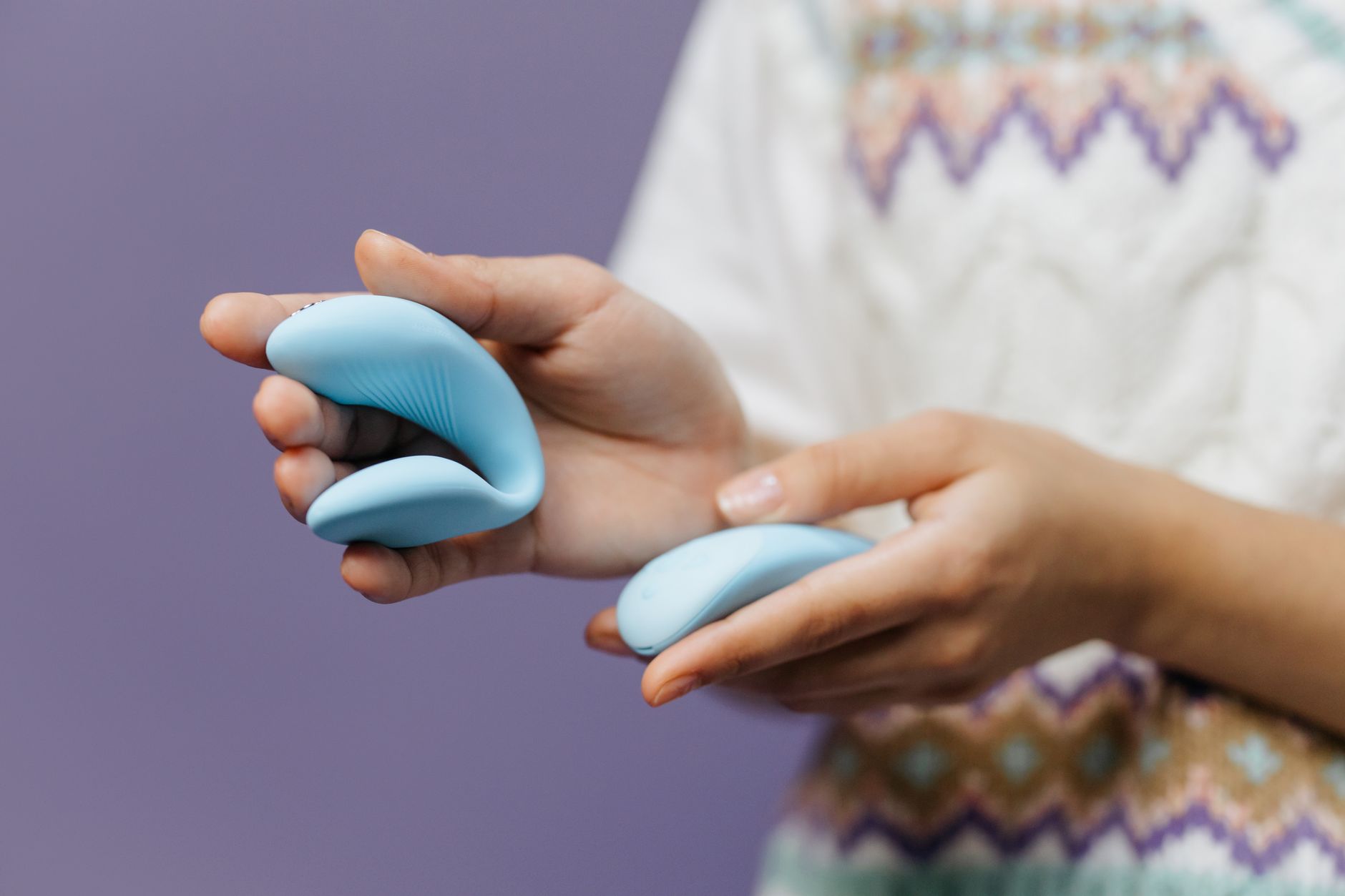
The Lem uses air-suction technology that combines suction with gentle pulsing. For people on SSRIs or antihistamines, this works particularly well because it doesn't require the kind of direct, sustained pressure that medication-dulled tissue struggles to feel. The suction plus pulse combination activates sensation without depending on baseline sensitivity.
Three practical adjustments for medication-related numbness
1. Start with higher intensity, not lower. The impulse is to be gentle, to ease in. With medication-dulled sensation, gentle often feels like nothing. With a lemon clitoral vibrator, begin at pattern 3 or 4, not pattern 1. You're not being rough; you're meeting your nervous system where it actually is. You can always dial back. You can't feel something too faint to register.
2. Extend warm-up time, even if arousal is slow. Medication slows the chemical cascade that leads to arousal. Budget 20-30 minutes before using the vibrator. This isn't about laziness. The longer you spend in a calm, focused mental space, the more blood flow shifts toward your pelvis. Think of it as priming the pump. Then use the lemon vibrator.
3. Pair sensation with mental focus. When sensation is muted, distraction kills what little responsiveness remains. Put the phone away. Close your eyes. Use a fantasy or memory that lands for you. Your brain is part of the sexual response system too, and it's often more accessible than your body when medication is involved. The vibrator handles the physical part; your attention handles the mental part.
When to talk to your doctor (and what to ask)
Don't quit your medication. Don't suffer silently either. This is a legitimate side effect worth addressing.
First conversation: Ask if your dose can be lowered without losing the medication's benefit. Sometimes a 25% reduction preserves mental health while improving sexual response.
Second option: Timing. Some medications cause worse sexual side effects at certain times. Your doctor might suggest taking your SSRI at night instead of morning, or adjusting the schedule to create a window of better responsiveness.
Third option: Augmentation. Some psychiatrists add a low-dose medication like bupropion or buspirone to counteract sexual side effects. This isn't for everyone, but it's worth asking about if the medication itself is working well.
Fourth option: Switch medications. Not all SSRIs affect sexuality equally. Sertraline and paroxetine are notorious for sexual side effects. Bupropion and some tricyclic antidepressants are gentler. If you're on a problematic SSRI, another option might exist.
What not to do: Don't add alcohol or stimulants to try to boost sensation. That compounds the problem. Don't stop taking your medication without medical guidance. Don't assume this is permanent.
The relationship piece nobody mentions
When medication mutes pleasure, couples often drift. Your partner tries to initiate. Nothing happens. They feel rejected. You feel broken. Tension builds. Over time, sex becomes something that doesn't work, and you both stop trying.
The fix is honesty plus a concrete plan. Tell your partner: "This isn't about us. This is a medication side effect I'm working on with my doctor. Here's what might help." Then use tools like the Lem together. The vibrator becomes a bridge, not a replacement. It's something you're both choosing, which feels totally different from solo use.
Many couples find that returning to partnered pleasure with the help of a lemon vibrator actually strengthens things. The vulnerability required to say "I need this" and the shared focus on pleasure again rebuilds connection.
FAQ: Medication and Sexual Pleasure
Can I stop taking my medication to get my sex drive back?
No. The cost of untreated depression or anxiety almost always outweighs the cost of sexual side effects. Work with your doctor on adjusting dose, timing, or switching medications. There are solutions that don't require choosing between mental health and pleasure.
How long does it take for sexual function to return if I switch medications?
It varies. Some people notice improvement within days of a dose reduction or timing change. Others take 2-4 weeks to see real shifts. Your body needs time to recalibrate. Be patient, but also keep communicating with your doctor about progress.
Will a lemon vibrator eventually stop working if I use it regularly?
Not typically, especially if you vary patterns and intensity. What happens more often is that your brain and body get used to a particular pattern. Switch between patterns on your Lem or experiment with different speeds. Fresh stimulation keeps sensation sharp. If you notice diminishing returns over months, check in with your doctor; it might signal that your medication adjustment needs tweaking too.
Is clitoral suction different from vibration for medication-dulled sensation?
Yes. Suction (like the Lem's air-suction technology) works differently than traditional vibration. It creates a seal and pulse that can feel more intense and present than vibration alone, making it particularly useful for people with medication-related numbness. Many find suction more accessible when sensation is compromised.
My doctor says sexual side effects are just part of the medication. What should I do?
See a different doctor, or ask to speak to a psychiatrist specifically about sexual side effects. This is a recognized, treatable problem. A good clinician won't dismiss it. If your current provider isn't helpful, the Sexual Medicine Society or your therapist can recommend specialists who take this seriously.
Can I use a clitoral vibrator while on blood pressure medication?
Absolutely. In fact, the increased blood flow and pleasure from sexual activity is generally healthy. If you have specific cardiac concerns, mention it to your cardiologist, but for most people on blood pressure meds, regular sexual activity with appropriate tools is beneficial. The vibrator doesn't change your medication; it just helps your body respond despite the medication's effects.
The bottom line
Medications that save your mental or physical health don't have to cost you sexual pleasure. There are real neurological reasons why sensation flattens on certain medications, and there are real tools and strategies that work around that. A clitoral vibrator like the Lem is one of the most direct ones. Paired with honest conversation with your doctor and your partner, it can bring pleasure back without sacrificing the medication you need.
Your sexuality matters. Your mental health matters. You don't have to choose. Start by talking to your doctor. Then let yourself explore what pleasure feels like with the right support.